











Louisa Golding from Dermality hosts a Menopause Event
 @dermality_, Louisa Golding, Dermal Clinician and Clinic Owner of Dermality, WA.
Why Clinics Need to Start Talking About Hormonal Ageing
As conversations around hormones, skin and healthy ageing continue to evolve, clinics are finding themselves at the centre of a much bigger discussion. One that goes far beyond treating the surface of the skin.
At Murad, we’ve long believed that skin health is deeply connected to internal wellbeing, stress, hormones and life stages. As the industry shifts towards a more holistic understanding of ageing, hormonal skin changes and menopause are becoming increasingly important conversations to have in clinic.
Recently, Dermality hosted a menopause-focused client event designed to educate, empower and create community around a topic many women still feel under-supported in navigating. The evening explored the connection between hormonal health, skin changes, pelvic health and overall wellbeing. While also positioning the clinic as a trusted space for education-led care.

For Murad partners considering hosting similar events within their own clinics, Louisa’s experience is a powerful example of how these conversations can deepen client trust, strengthen consultation conversations and align naturally with the growing demand for hormonal ageing support.
We spoke with Louisa about what inspired the event, how clients responded, and why she believes clinics have an important role to play in supporting women through this stage of life.
What inspired you to host a menopause-focused event in your clinic?
I’ve had the Emsella pelvic floor device in my clinic since 2021, and through those treatments I was hearing things from menopausal women that I had never been exposed to before.
As my menopausal client base grew, I realised this was a significant life stage that women in regional WA had very little support for. After attending Chiza’s Menopause Symposium in 2025, I gained a deeper understanding of the challenges women face, and through her community I saw how strongly women want to feel seen, heard and supported and how I can support them within my scope.
From there, collaborating with a nurse practitioner with extensive menopause experience felt like a natural next step.
Why do you think this topic is so relevant for clinics right now?
We’re seeing an ageing population, but also a shift in how women want to approach ageing.
There is increasing demand for non-invasive, lower-risk treatments, but also a growing awareness that skin cannot be treated in isolation. Hormonal changes play a significant role, and clients are becoming more informed and more curious about that connection. Clinics are in a unique position to recognise these changes early and guide clients appropriately.
What were you seeing in your clients that led you to explore this space further?
Initially it was pelvic health concerns such as vaginal dryness and changes in libido. Over time, it evolved into broader conversations. Clients were struggling with sleep, hot flushes and mood changes, and in some cases being prescribed antidepressants without addressing the underlying hormonal shifts. From a skin perspective, I was seeing clients who felt like they had aged rapidly in a short period of time and were no longer responding to advanced treatments as expected. It became clear that there was an opportunity to support these women more holistically.
How did you structure the event?
The event was structured to move from understanding to empowerment. We started with the foundations: what menopause is and the hormonal changes involved, then moved into how those changes influence symptoms across the body. From there, we introduced practical support strategies, before focusing on specific areas like skin health and pelvic health. We finished with a live Q&A with a nurse practitioner to ensure attendees had access to medically guided information.
What key topics or themes did you focus on during the session?
The focus was on connecting the dots between hormones and symptoms. We covered hormonal changes, why symptoms can feel unpredictable, the impact on skin and pelvic health, and practical ways to support the body during this stage of life. The goal was to give women clarity around what they were experiencing and why.
How did you approach educating clients without overwhelming them?
This was a tough one! I am very passionate about anatomy and physiology (something I discovered in my degree) so I had to pull back from going too deep into the science and instead focus on simplifying concepts without losing accuracy. I used visuals, interactive surveys and moments of engagement to keep the room involved, rather than just delivering information.
What kind of response did you receive from your clients on the night?
The feedback was extremely positive, from both clients and ladies I had never met before. There was a strong sense of connection in the room, and many women expressed that they finally felt understood. The level of engagement, particularly during the interactive sections and Q&A, showed how much demand there is for this type of education.
Were there any standout moments or feedback that stuck with you?
One of the most memorable moments was when an attendee asked, “Is there anything actually positive about this?” It was such an important question, and it really highlighted how menopause is often framed negatively in our society. In many cultures, this stage of life is celebrated, whereas here it can feel isolating or misunderstood. I think we’re at a point where that narrative is starting to shift, and we have an opportunity to be part of that change.
Did the event impact your business beyond the event itself? If so, how?
As a small business owner, the impact is very personal, and that naturally flows into the business. Every event is a learning opportunity and the lessons I took from it have helped me to strengthen my positioning as a clinic that understands skin within the context of overall health, not in isolation.
Have you noticed any changes in consultation conversations since hosting the event?
Consultations themselves are structured similarly, but the conversations have expanded. There is more openness around discussing hormonal health, and more awareness, particularly from younger women who may be experiencing early peri-menopausal symptoms. It has also highlighted a gap locally, where many women feel their concerns are not being taken seriously.
Did it influence treatment planning or retail recommendations in clinic?
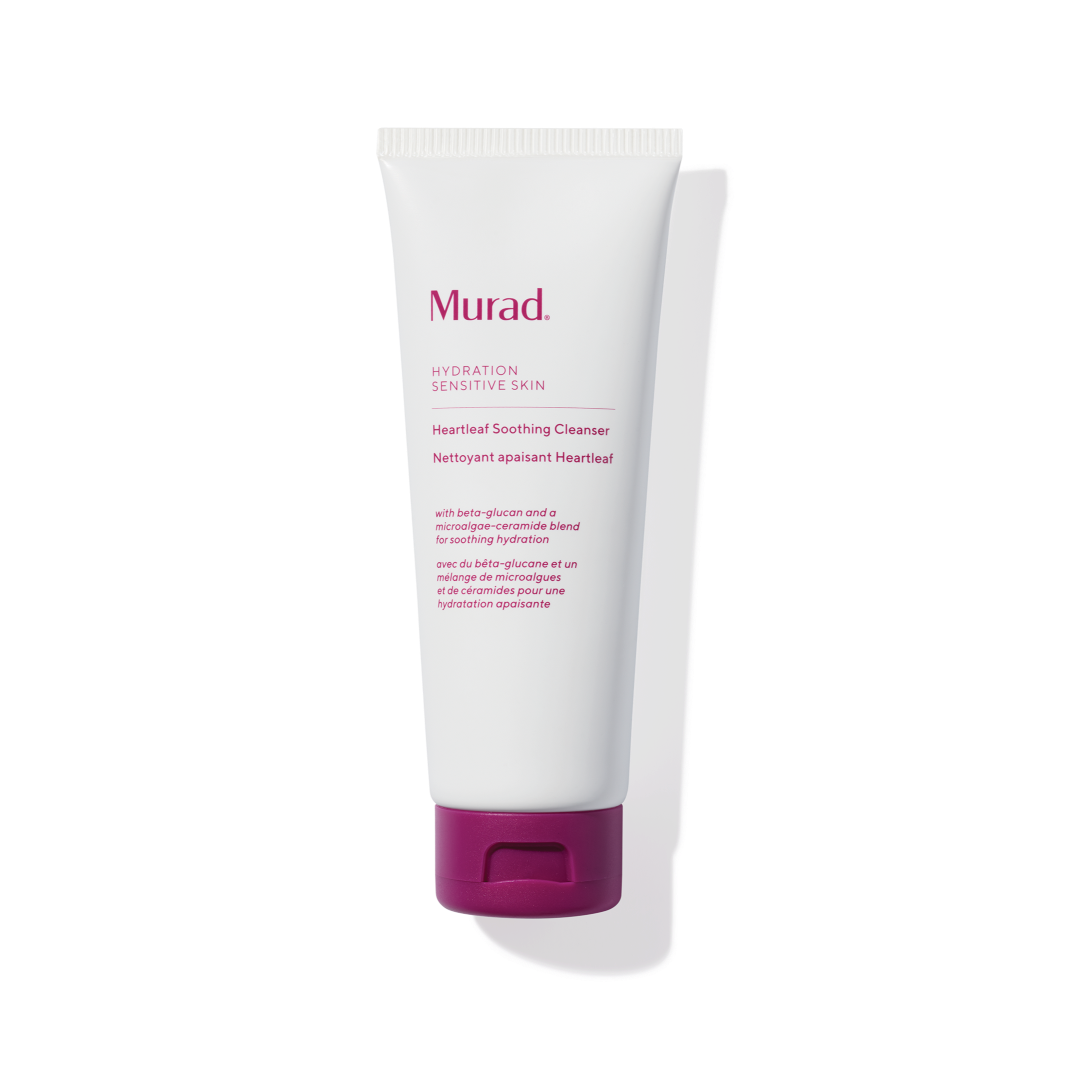
Since my personal development in menopause education, treatment planning has become more holistic, and we include our nurse practitioner in our recommended complementary therapies a lot more. We also launched a menopause-based holistic membership on the night, to support women in their lymphatic, skin and pelvic health. Our retail recommendations remain consistent, however with the launch of the new lipid cleanser around the same time, we are having a lot of barrier conversations (and have sold 26 of these already!)
How does this type of event align with your overall clinic strategy?
It aligns closely with my focus on education, empowerment and evidence-based practice. Our goal at Dermality is not just to treat the skin, but to help clients understand it.
What advice would you give to other clinics thinking about hosting a similar event?
Be confident in your knowledge, but also comfortable saying when something is outside your scope. Having an expert you can partner with makes a big difference, both for credibility and for giving clients access to the right support. I also found collaborating with other local businesses for gift bags and prizes really elevated the event and created a stronger community feel.
What would you do differently next time, if anything?
I focused heavily on education and didn’t prioritise sales on the night. However, I did receive feedback from an attendee who came prepared to purchase, which highlighted the importance of finding a balance between education and opportunity.
Do you see this as something you’ll continue to build on in the future?
Most definitely. This is something I’m really passionate about continuing and developing further within the clinic. There is such a clear need for this kind of education, particularly in regional areas where access to specialised support can be limited. I see these events as an extension of the consultation process by helping women not just receive treatment or take hormones, but actually understand what’s happening in their body and feel more confident navigating it. In future, I would like to build on this by creating more targeted sessions and continuing to collaborate with other practitioners, so we can offer a more well-rounded and supportive approach to midlife health.
What stands out most from Louisa’s experience is just how much women are craving these conversations.
Not necessarily more noise or more treatments… but understanding, reassurance and practitioners who can connect the dots between hormones, skin and overall wellbeing.
As clinics, we are often the first place clients begin talking about changes they’re noticing in their skin, confidence, sleep, stress levels or ageing journey. That places us in a unique position to educate, support and guide clients in a way that feels empowering, not overwhelming.
For Murad partners, this is also where the Murad philosophy fits so naturally. Hormonal ageing isn’t simply about wrinkles or pigmentation in isolation. It’s about understanding the biological and emotional shifts happening within the body, and supporting skin through those transitions with a more holistic lens. From barrier health and hydration to stress skin connection and hormonal pigmentation, these are conversations already happening in treatment rooms every day.
Events like this don’t need to feel overly clinical or sales-driven. Instead, they can become an extension of your consultation philosophy, creating community, positioning your clinic as a trusted educator, and opening the door to more meaningful client relationships.
As Louisa shared throughout this Q&A, the impact extended far beyond the event itself. It shifted conversations in clinic, strengthened her positioning within the community, and highlighted just how important this category of support is becoming for women, particularly in regional areas.
Shop This Article
-

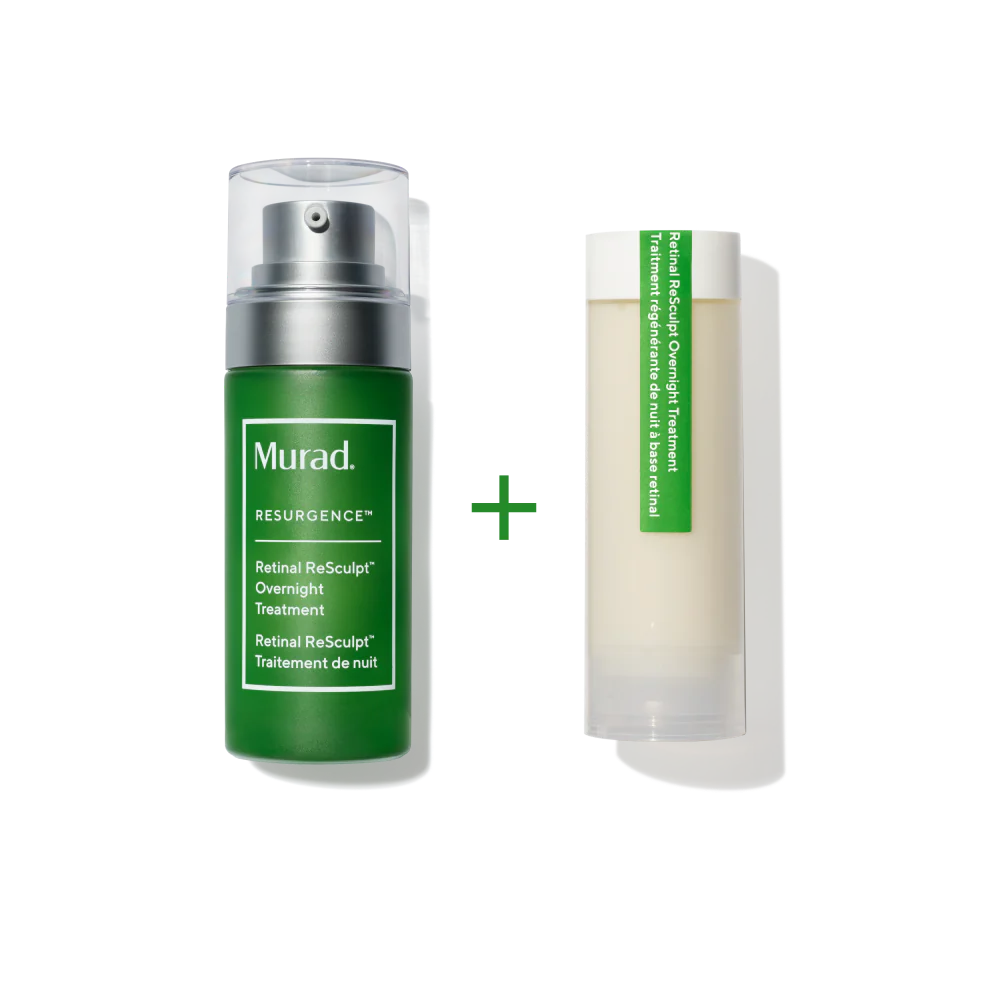
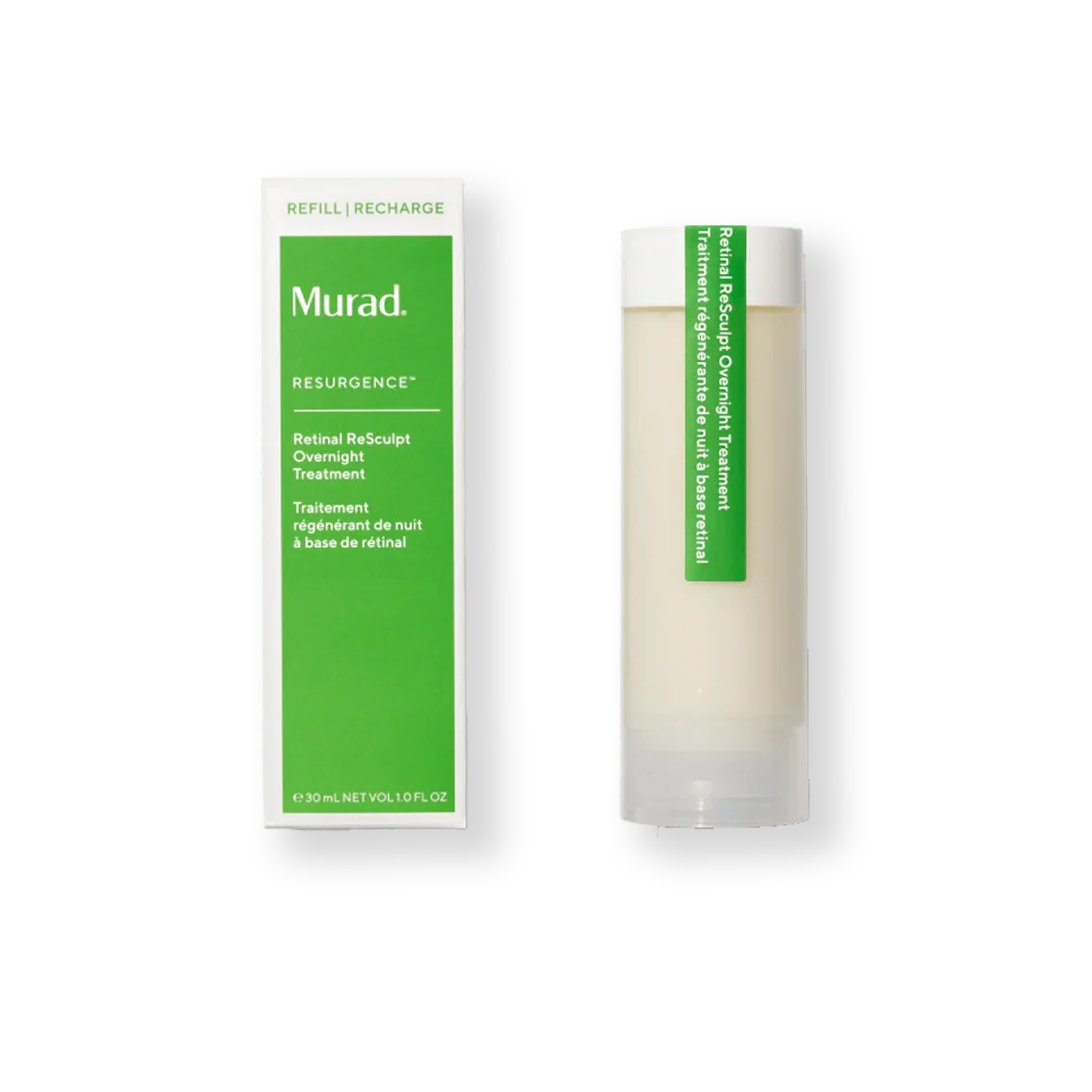
Retinal ReSculpt™ Overnight Treatment
Uniquely encapsulated retinal serum that dramatically lifts and improves sagging, smooths deep-set wrinkles and increases skin elasticity
$180.00 | 30ML -

Retinal ReSculpt Overnight Cream
Visibly lift, firm + re-volumize facial contours in 4 weeks with this deeply hydrating overnight cream powered by encapsulated retinal and NAD+ Lift Complex
$170.00 | 50ML -

Retinal ReSculpt™ Eye Lift Treatment
Next-gen eye cream reduces the appearance of deep-set lines/wrinkles, visibly lifts and firms droopy, sagging lids and folds and restores elasticity
$158.00 | 15ML -

Retinal ReSculpt Body Treatment
This targeted retinal body treatment dramatically lifts, firms, and tightens sagging, crepey skin and smooths the appearance of cellulite and stretch marks. It's like a HIIT workout and shapewear in one
$135.00 | 148ML


