














Skin Brightening Serum: How to Choose the Right One for Your Skin
 Dark spots, dullness, uneven skin tone and post-blemish marks can all make skin appear less radiant. But while they're often grouped together under the umbrella of "pigmentation", they don't necessarily need the same skincare solution.
That's where choosing the right skin brightening serum matters.
Some brightening serums are designed primarily to boost radiance and improve dullness. Others take a more targeted approach to visible dark spots and uneven pigmentation. And ingredients such as vitamin C, glycolic acid, tranexamic acid and resorcinol can all play different roles.
So, how do you know which brightening serum is right for your skin?
Here's what to look for.
What Is a Skin Brightening Serum?
A skin brightening serum is a targeted skincare treatment formulated to improve the appearance of dullness, uneven tone, dark spots or discolouration.
Unlike moisturisers, serums typically deliver concentrated active ingredients designed to address specific skin concerns.
Depending on the formula, a brightening serum may help:
- Improve dull-looking skin
- Enhance visible radiance
- Reduce the appearance of dark spots
- Improve uneven skin tone
- Target post-blemish marks
- Smooth uneven texture
- Support a clearer, more luminous complexion
The key is identifying exactly what you mean when you say you want "brighter" skin.
Brightening vs Lightening: What's the Difference?
Skin brightening isn't about changing your natural skin tone.
A well-formulated brightening serum is designed to help improve uneven pigmentation, dullness and discolouration so that your natural complexion appears clearer, more even and radiant.
Think evenness and luminosity, rather than making skin lighter.
This distinction is particularly important when choosing products for pigmentation and dark spots.
Why Does Skin Become Dull or Uneven?
There are many reasons your complexion can lose some of its natural radiance.
Common contributors include:
- Sun exposure
- Accumulation of dead surface skin cells
- Post-blemish marks
- Hormonal changes
- Age-related changes in skin renewal
- Environmental stressors
- Dehydration
- Uneven pigmentation
In Australia, cumulative UV exposure is an especially important consideration when addressing pigmentation.
And for women experiencing perimenopause or menopause, hormonal fluctuations may also coincide with changes in pigmentation, texture and overall skin radiance.
Understanding what's contributing to your concern can help you choose the right skin brightening serum rather than simply selecting the strongest formula available.
Which Ingredients Should You Look for in a Skin Brightening Serum?
Not all brightening ingredients work in the same way. Some focus on surface radiance, while others are better suited to targeted discolouration.
Here are several ingredients worth knowing.
Vitamin C
Vitamin C is one of the most recognised ingredients in brightening skincare.
As an antioxidant, it helps protect against oxidative stress while supporting a brighter, more even-looking complexion.
A vitamin C brightening serum can be particularly useful if your main concerns are:
- Dullness
- Loss of radiance
- Uneven-looking tone
- Early visible signs of environmental damage
Vitamin C is commonly used during the morning as part of an antioxidant-focused routine, followed by moisturiser and broad-spectrum SPF.
Glycolic Acid
Glycolic acid is an alpha hydroxy acid, or AHA, that exfoliates the surface of the skin.
By helping remove dull surface cells, glycolic acid can improve visible radiance and help skin feel smoother.
Combining glycolic acid with a brightening ingredient such as vitamin C can be particularly useful when both dullness and uneven texture are concerns.
Tranexamic Acid
Tranexamic acid has become a popular ingredient in skincare formulated for visible discolouration.
It can be incorporated into targeted formulas designed to improve the appearance of stubborn dark spots and uneven skin tone.
If your main goal is correcting visible pigmentation rather than simply increasing radiance, look for a serum specifically formulated to address dark spots.
Resorcinol Technology
Targeted brightening formulas can also use resorcinol-based technology to address visible discolouration.
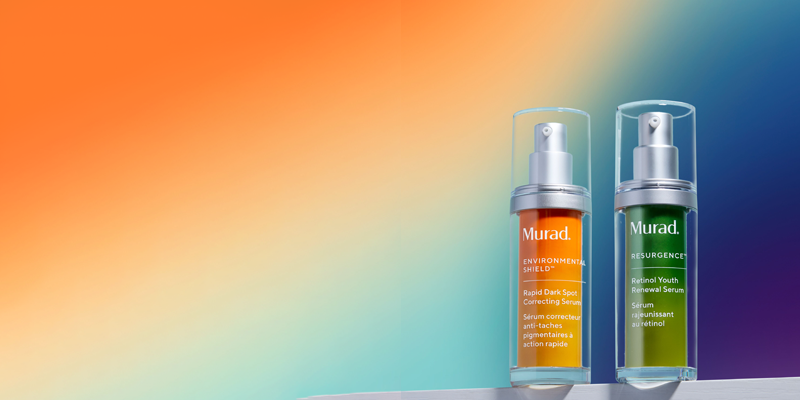
Murad's Rapid Dark Spot Correcting Serum, for example, combines patented Resorcinol Technology with Tranexamic Acid to target the appearance of dark spots and uneven skin tone.
Which Murad Skin Brightening Serum Should You Choose?
The right choice depends on what you see when you look at your skin.
Are you primarily concerned about dullness and lack of glow? Or are you trying to visibly correct dark spots and stubborn discolouration?
Here's an easy way to differentiate between two of Murad's targeted brightening serums.
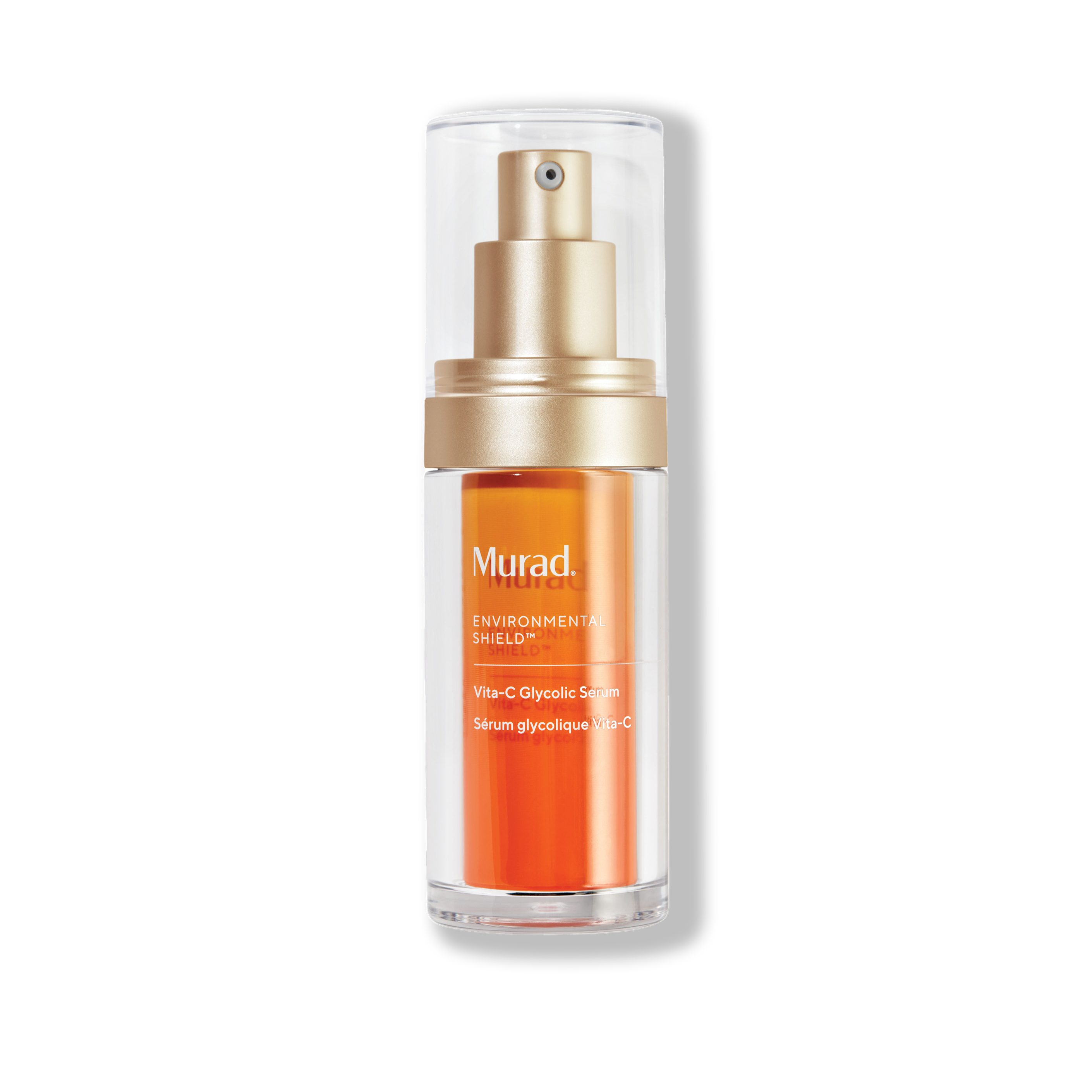
For Dullness and Radiance: Vita-C Glycolic Serum
If your skin looks tired, dull or uneven and you'd like to restore visible radiance, consider Murad Vita-C Glycolic Serum.
This formula brings together two approaches to brightening: glycolic acid helps exfoliate dull surface cells, while vitamin C helps improve visible brightness and uneven tone.
It's a good option if your main concerns include:
- Dull-looking skin
- Loss of radiance
- Uneven texture
- Uneven-looking tone
- Environmental stress
Think of Vita-C Glycolic Serum as a radiance-focused skin brightening serum.
For Dark Spots and Discolouration: Rapid Dark Spot Correcting Serum
If you're less concerned about general dullness and more focused on visible dark spots, pigmentation or post-blemish marks, consider Murad Rapid Dark Spot Correcting Serum.
Its targeted formula is designed to visibly reduce the appearance of dark spots and uneven skin tone.
It may be better suited if your primary concerns include:
- Visible dark spots
- Uneven pigmentation
- Post-blemish marks
- Sun-related discolouration
- Persistent uneven skin tone
Think of Rapid Dark Spot Correcting Serum as the more targeted dark spot correction option.
Vita-C or Rapid Dark Spot Correcting Serum: What's the Difference?
An easy way to choose is to start with your primary concern.
Choose Vita-C Glycolic Serum if:
Your main goal is brighter, more radiant-looking skin and improved surface dullness.
Choose Rapid Dark Spot Correcting Serum if:
Your main goal is visibly reducing specific dark spots and areas of discolouration.
Both support a brighter, more even-looking complexion, but they approach that goal differently.
Can You Use a Skin Brightening Serum Every Day?
This depends on the formula and your skin's tolerance.
Some brightening serums are suitable for daily use, while products containing exfoliating acids may need to be introduced more gradually if your skin is sensitive or you're already using other active ingredients.
Always follow the individual product directions.
More isn't necessarily better. Consistent use of a well-chosen formula is generally a smarter approach than layering multiple strong brightening products at once.
When Should You Apply a Skin Brightening Serum?
Serums are generally applied after cleansing and before moisturiser.
A simple morning brightening routine could look like:
1. Cleanse
Remove impurities without leaving skin feeling stripped.
2. Apply your skin brightening serum
Choose a formula suited to your main concern.
3. Moisturise
Support hydration and the skin barrier.
4. Apply broad-spectrum SPF
This step is essential when you're addressing pigmentation and uneven skin tone.
Your evening routine may include a brightening serum or a different targeted treatment, such as retinol, depending on your skin's needs.
Can You Use a Brightening Serum with Retinol?
Potentially, yes, but you don't need to layer everything in the same routine.
One simple approach is to separate targeted ingredients between morning and evening.
For example:
AM: Cleanser → brightening serum → moisturiser → SPF
PM: Cleanser → retinol → moisturiser
This can make a routine easier to follow while still addressing multiple concerns such as pigmentation, dullness, texture and visible signs of ageing.
If you're using exfoliating acids alongside retinoids, introduce products gradually and adjust according to your skin's tolerance.
Can a Skin Brightening Serum Help Hormonal Pigmentation?
Hormonal changes can influence pigmentation, particularly during stages such as pregnancy, perimenopause and menopause.
However, pigmentation is complex. Melasma, post-inflammatory hyperpigmentation and sun-related dark spots don't necessarily behave in the same way.
A targeted skin brightening serum can help improve the visible appearance of uneven tone and dark spots, but persistent or changing pigmentation should be assessed by a qualified healthcare professional or dermatologist.
And regardless of the cause, sun protection is especially important when pigmentation is a concern.
Why SPF Is Essential When Using a Brightening Serum
You can invest in the best brightening serum for your skin, but if you're not protecting your skin from UV exposure, you're missing a critical part of your pigmentation routine.
UV exposure can contribute to the formation and recurrence of visible pigmentation and dark spots.
Apply broad-spectrum SPF every morning and follow Australian sun-protection recommendations, including protective clothing, shade and avoiding excessive sun exposure.
Think of your skin brightening serum and sunscreen as complementary steps: one targets the appearance of existing concerns while the other helps protect your skin from a major contributor to future visible damage.
How Long Does It Take for a Brightening Serum to Work?
Brightening skincare isn't an overnight fix.
Some people may notice improvements in radiance relatively quickly, particularly when dull surface cells are addressed through exfoliation. More persistent dark spots and uneven pigmentation generally require consistent use over time.
Results will also vary depending on the type and depth of discolouration, your skincare routine and sun exposure.
Rather than switching products constantly, give your routine time to work and take progress photos under similar lighting to monitor visible changes.
Finding the Best Skin Brightening Serum for You
The best skin brightening serum isn't necessarily the one with the longest ingredient list or the strongest concentration of actives.
It's the one designed for the concern you're trying to address.
If your skin looks dull and you're seeking greater radiance, look towards ingredients such as vitamin C and glycolic acid.
If visible dark spots and uneven pigmentation are your primary concern, choose a more targeted dark spot serum featuring ingredients specifically selected to address discolouration.
And whichever brightening serum you choose, don't forget the final, and arguably most important, part of your routine: daily sun protection.
Brightening isn't about changing your skin tone. It's about helping your skin look clearer, more even and naturally radiant.
Shop This Article
-

Rapid Dark Spot Correcting Serum
Clinically proven dark spot serum to reduce melasma, pigmentation and age spots in 7 days for brighter, more even skin tone.
$145.00 | 30ML -
Vita-C Glycolic Serum
Gold-Class vitamin C and glycolic acid serum for dramatically brighter, healthier-looking skin
$155.00 | 30ML


