













Is Your Skin in a State of SOS? (Signs of Skin Stress?)
Stress is not only a personal experience, it is increasingly common across the Australian population. Research from the Australian Community Survey (ACS) 2024, conducted by NCLS Research, shows that stress levels among Australians are rising.
In 2024, Australians were asked how stressed they had felt over the past month. Nearly half of respondents (46%) reported high to very high stress levels, rating their stress at 7 or above out of 10. This marks an increase from 40% in 2022, showing that stress levels are rising across the community.
These findings suggest a broader shift toward higher stress levels across the community, with substantial proportions of Australians experiencing moderate to high stress. As stress becomes more prevalent, its impact on overall wellbeing, including skin health, is increasingly relevant.
How Stress Affects The Skin
When the body is under stress, it releases cortisol, a hormone designed to help manage short-term challenges. In small, occasional doses, cortisol is helpful. However, modern lifestyles often place the body in a state of prolonged stress, leading to consistently elevated cortisol levels.
According to research published in the Psychoneuroendocrinology Journal, chronically high cortisol levels can have severe adverse effects on skin tissue. Studies show that cortisol exposure can reduce pro-collagen production, impair wound healing, and contribute to skin atrophy. Over time, this disruption to collagen production and repair may accelerate premature skin ageing.
Dr. Howard Murad explains that in an always-on environment, cortisol is no longer released in short bursts. Instead, it remains elevated for extended periods, placing continuous pressure on the immune system and skin barrier. This ongoing stress response contributes to visible changes in skin texture, tone, and resilience.
What Does Stress Look Like On Skin?
Stress-related skin changes can appear gradually or suddenly, depending on lifestyle, genetics, and environmental exposure. Common visible signs of skin stress include:
-
Dull, tired-looking skin
Stress can disrupt normal cell turnover, leading to uneven texture and a lack of radiance. -
Under-eye dark circles and puffiness
The skin around the eyes is thinner and more delicate, making blood vessels more visible and fluid retention more noticeable during periods of stress. -
Dry, irritated skin
Elevated cortisol can reduce barrier lipids, weakening the skin’s ability to retain moisture and protect itself from irritants. -
Expression lines and wrinkles
Chronic stress contributes to collagen and elastin breakdown, accelerating the appearance of fine lines and wrinkles.
These changes reflect the cumulative effects of psychological stress on skin structure and function.
Addressing Stress-Induced Skin Ageing
While many skincare solutions focus on genetic ageing or environmental damage such as sun exposure, the visible effects of psychological ageing caused by stress have historically been overlooked. Stress-induced ageing requires a different approach, one that targets both skin physiology and the stress signals that affect it.
Dr. Murad’s research into the relationship between stress and skin health led to the development of targeted skincare designed to address these specific concerns. By focusing on calming stress responses within the skin, it is possible to support recovery, resilience, and visible skin renewal.
Supporting Stressed Skin With Targeted Care
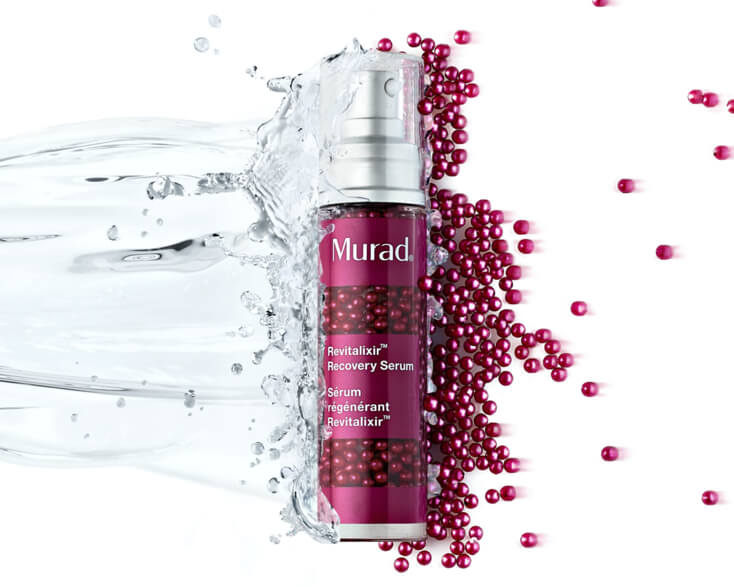
Revitalixir™ Recovery Serum is formulated to target the visible effects of stress-induced ageing on the face and eye area. A skin-relaxing blend of neuropeptides and paracress helps smooth stress lines, while cannabis sativa seed oil supports softness and moisture to maintain skin comfort. Niacinamide helps refine skin texture as wild indigo works to calm visible stress signals and reduce the appearance of under-eye dark circles. Caffeine helps re-invigorate skin tone and minimise the look of under-eye puffiness.
With continued use, targeted stress-focused skincare can help restore vibrancy, improve skin comfort, and reduce the visible impact of daily stress on the skin.
Caring For Stressed Skin Long Term
Managing skin stress involves more than a single product. Consistent skincare, barrier support, hydration, and lifestyle awareness all play a role in improving how skin responds to stress over time.
By recognising the signs of skin stress early and supporting skin with targeted, dermatologist-developed solutions, it is possible to help skin look healthier, more resilient, and visibly refreshed, even in a high-stress environment.
Complete Your Regimen
-
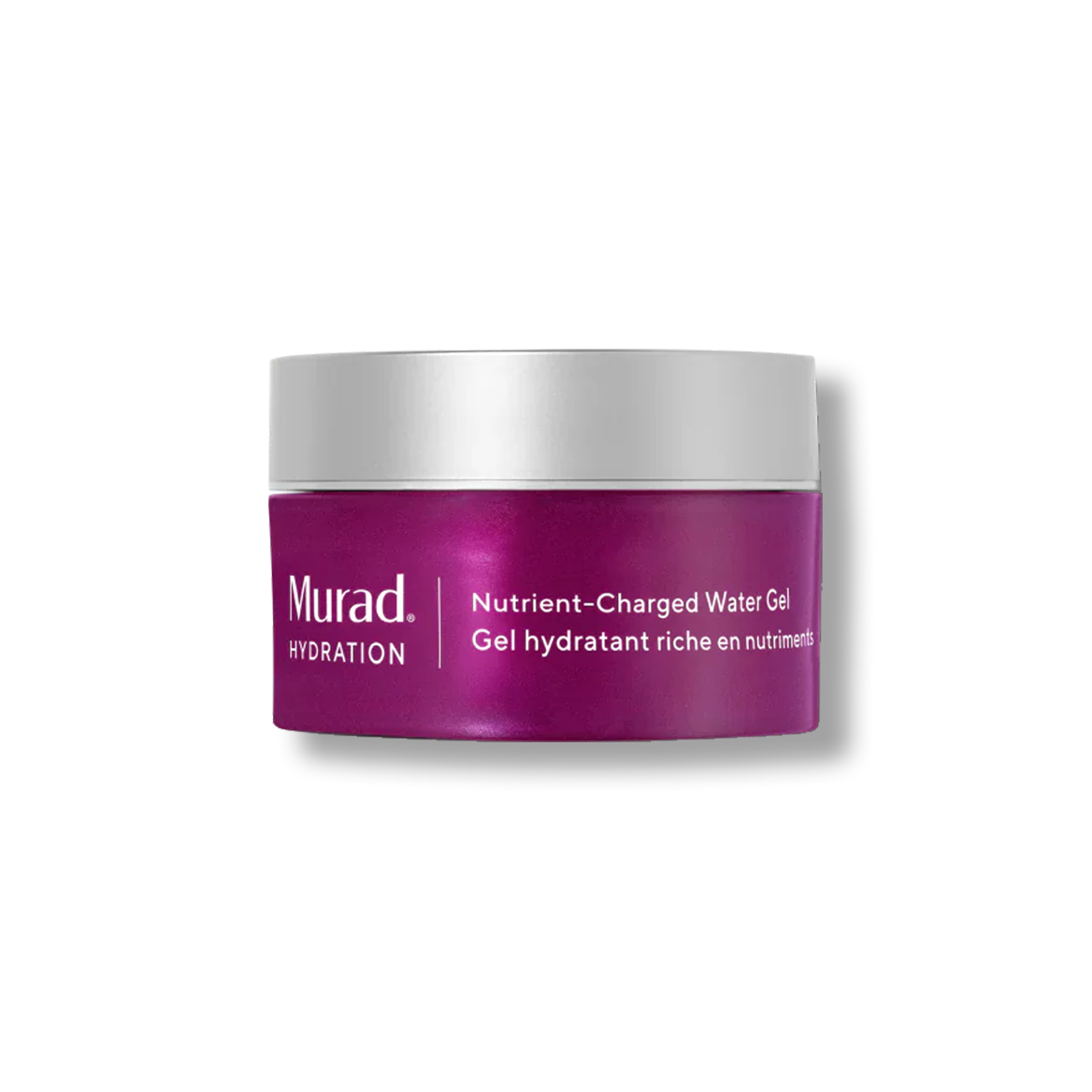
Nutrient-Charged Water Gel
Water-light, oil-free gel moisturiser instantly hydrates, plumps and locks in moisture.
$85.00 | 50ML


