













What Causes Dark Spots? The Ultimate Australian Guide to Hyperpigmentation, Age Spots & Sun Damage
 Discover what causes dark spots and how to treat hyperpigmentation effectively. Learn the best skincare, sunscreens and Murad’s Rapid Dark Spot Correcting Serum.
If you’ve noticed stubborn patches of discolouration popping up on your face, hands or décolletage, you’re definitely not alone. Dark spots - also known as age spots, sun spots or hyperpigmentation - are one of the most common skin concerns in Australia.
Our harsh UV, outdoor lifestyle, and diverse Fitzpatrick skin types (Think of the Fitzpatrick scale as a spectrum from skin that burns very easily to skin that rarely burns but tans deeply) mean pigmentation shows up sooner and more noticeably here than almost anywhere else in the world. The good news? Once you understand why dark spots form, you can treat them effectively and even prevent them from coming back.
What Are Dark Spots & Age Spots, Really?
Dark spots are areas of skin that appear darker than your natural tone because of excess melanin, the pigment that gives skin its colour.
Age spots (sometimes called liver spots) are a specific type of hyperpigmentation that develop gradually over time, especially in sun-exposed areas like the face, forearms, shoulders and hands.
They’re harmless, but they can make the skin look uneven or dull… which is why so many Australians want them gone.
With the right strategies (and the right formulations), dark spots can be visibly reduced - often faster than you’d think.
The Main Causes of Dark Spots
1. Sun Exposure (Australia’s #1 Pigmentation Trigger)
UV radiation is the biggest driver of pigmentation in Australia. When your skin is exposed to UV, it signals melanocytes (your pigment-producing cells) to create more melanin.
Over time, this can lead to:
- Sun spots
- Uneven skin tone
- Patches of hyperpigmentation
- Faster ageing overall
Quick fact: even short bursts of incidental sun (the walk to school drop-off, lunch outdoors, or sitting beside a window) can accumulate enough UV to deepen pigmentation.
2. Natural Ageing
As we age, skin cell turnover slows down. This means melanin hangs around longer on the surface, making dark spots more visible.
Hormonal shifts through perimenopause and menopause can also influence how your skin responds to UV and inflammation.
3. Post-Inflammatory Hyperpigmentation (PIH)
Any trauma or inflammation can leave behind a mark, especially in medium to deeper skin tones (the higher Fitzpatrick skin types).
Common causes:
- Acne
- Eczema or dermatitis
- Bug bites
- Cuts, scrapes or picking
When the skin heals, melanocytes can surge into “overproduction mode”, leaving lingering dark patches.
4. Hormonal Changes (Melasma)
Melasma is a hormonally driven form of pigmentation that often appears during pregnancy, from certain contraceptives, or during hormonal fluctuations.
It usually shows up as symmetrical patches across the cheeks, forehead or upper lip.
While melasma is complex to treat, it responds extremely well to consistent care, professional support, and targeted brightening formulations once the hormonal cause has ended (eg, the baby’s been born!).
5. Genetics
Some skin types simply produce more melanin or hold onto pigmentation more stubbornly.
If your parents struggled with sun spots, age spots or melasma, you may notice the same tendencies.
How to Treat Dark Spots Effectively
No single solution works for every type of pigmentation - but with the right routine and consistency, the skin can look brighter, clearer and more even.
Here’s what actually works.
1. Daily Sun Protection (Non-Negotiable in Australia)
SPF is your most powerful tool in preventing and improving dark spots. Without it, pigment will continue to deepen and return - no matter how effective your brightening product is.
Look for:
- Broad-spectrum SPF 30+ or SPF 50+
- Daily use, even indoors
- Physical or chemical filters depending on your preference
Sunscreen doesn’t just prevent new spots, it allows your brightening products to work harder.
2. Use a Proven Dark Spot Serum Daily
For visible results, you need a formulation designed to target pigmentation at multiple levels; melanin production, surface discolouration, and future dark spot formation.
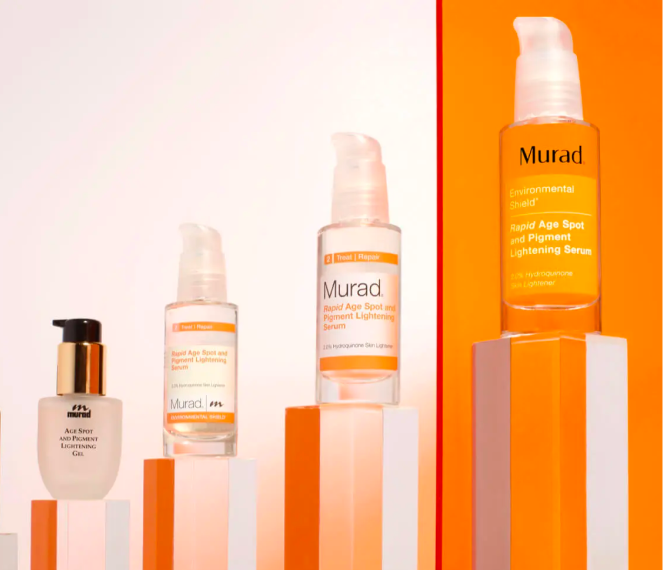
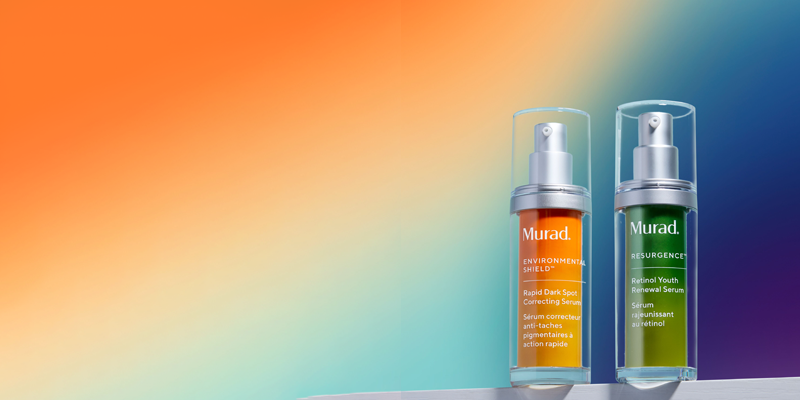
Murad Rapid Dark Spot Correcting Serum
 This is Murad’s global best-seller for a reason. Formulated with layers and layers and layers of brightening care:
- Patented Resorcinol Technology — targets dark spots with precision
- Clinically proven brighteners to reduce age spots, melasma-related pigmentation, and post-acne marks
- Antioxidants and soothing ingredients to support skin health and radiance
It’s suitable for all skin types, including Fitzpatrick IV–VI skin brightening needs, and those with a history of PIH (post-inflammatory hyperpigmentation).
It's your go-to daily brightening serum to visibly fade pigmentation and keep skin looking even, fresh and luminous.
3. Add Complementary Brightening Ingredients
Dermatologists often recommend combining a targeted dark spot serum with supporting ingredients to accelerate results. Look for:
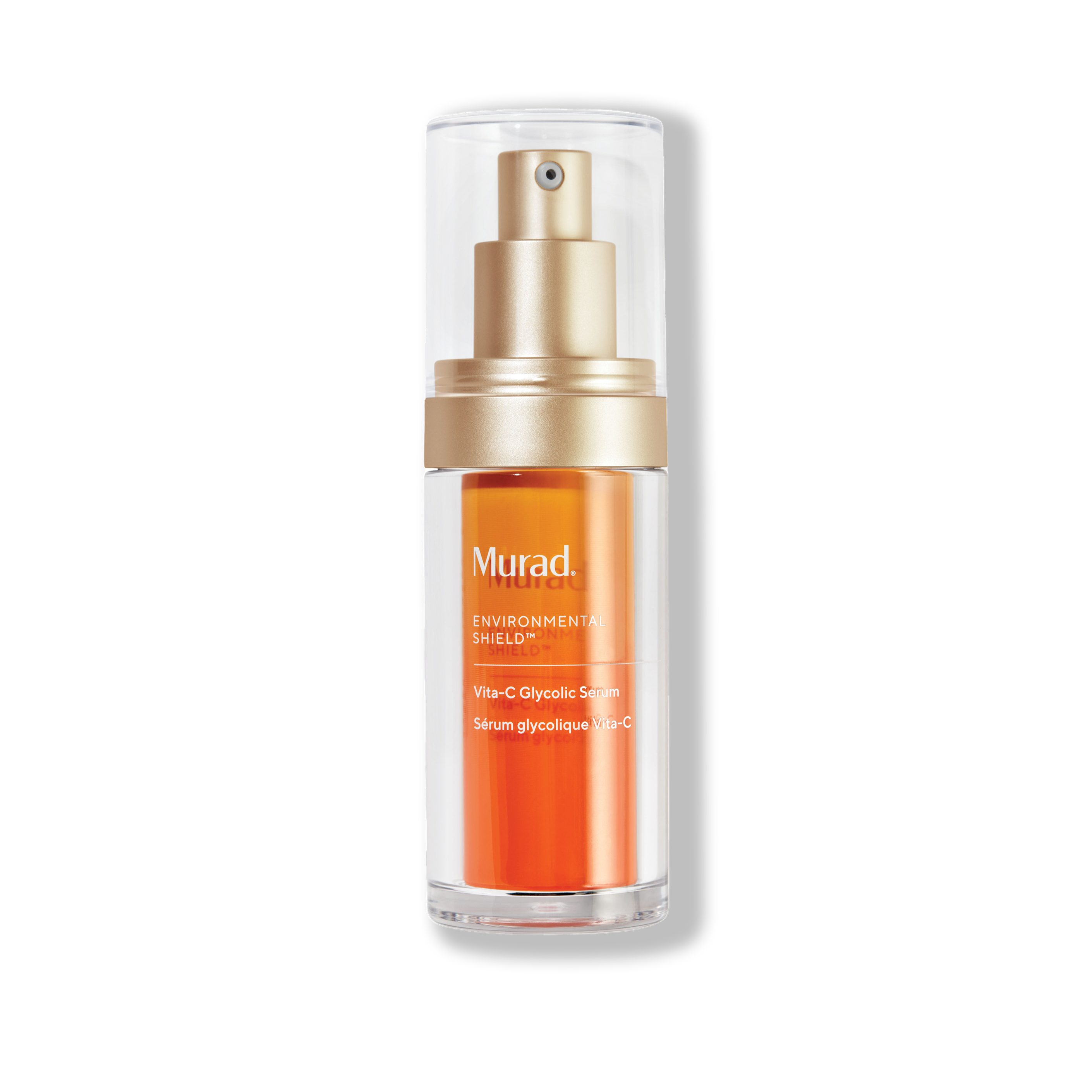
- Vitamin C for environmental protection and glow
- Niacinamide for clarity and strength
- AHA/BHA exfoliants to improve cell turnover
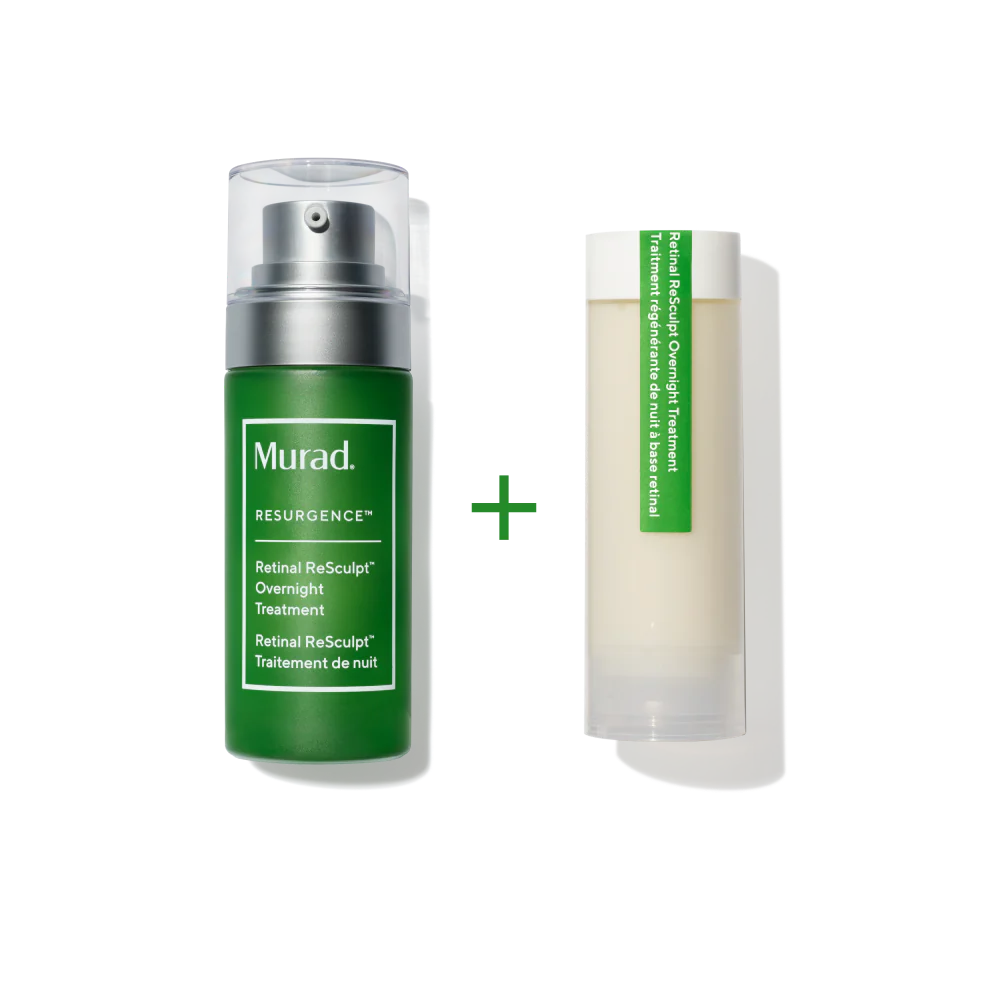
- Retinoids (night only) to support long-term skin renewal
Murad’s Rapid Dark Spot Correcting Serum is formulated for the best results to treat dark spots.
4. Professional Treatments (for Faster, More Dramatic Results)
For deeper or more stubborn pigmentation, in-clinic treatments can significantly speed up progress.
Always consult a qualified dermal clinician, especially if you have melasma or a deeper Fitzpatrick skin type.
Common professional options include:
- Professional pigmentation treatments
- Chemical peels – discover Murad’s skin-health focussed, efficacious peels here
- Microdermabrasion
- LED therapy
- Microneedling
- Laser treatments (with strict clinical guidance)
Professional services refresh the skin at a deeper level and pair beautifully with Murad’s at-home formulations to maintain and extend results.
5. Consistency & Maintenance
Pigmentation loves to return, especially in sunny climates like Australia.
That’s why prevention and maintenance matter as much as the initial treatment.
A simple three-step routine works beautifully:
- Daily SPF
- Daily application of Rapid Dark Spot Correcting Serum
- Weekly exfoliation + professional maintenance as needed
The Bottom Line
Dark spots happen for many reasons: sun, age, hormones, genetics, and even minor inflammation. But with smart prevention, the right brightening formulation, and ongoing support from professional treatments, pigmentation can be visibly improved, and long-term clarity is completely achievable.
If you’re ready to fade dark spots and reclaim an even, radiant complexion, start with Murad’s Rapid Dark Spot Correcting Serum - the hero at the heart of every brightening routine.
Dark spots (hyperpigmentation) are caused by sun exposure, ageing, hormones, inflammation and genetics - and they’re incredibly common in Australia. The most effective treatment routine includes daily SPF, a clinically proven brightening serum like Murad Rapid Dark Spot Correcting Serum, supporting ingredients (Vitamin C, niacinamide, AHAs), and professional treatments for stubborn areas. Consistency is key, and with the right formulations, an even, radiant complexion is achievable.
Shop This Article
-

Rapid Dark Spot Correcting Serum
Clinically proven dark spot serum to reduce melasma, pigmentation and age spots in 7 days for brighter, more even skin tone.
$145.00 | 30ML


