












Why Does Skin Change During Perimenopause, and How Can Moisturiser Help?
 If your usual skincare suddenly doesn’t seem to work the way it used to, hormones could be part of the reason.
During perimenopause, fluctuating hormone levels can influence everything from skin hydration and oil production to firmness, sensitivity and the appearance of fine lines. Skin that once felt balanced may suddenly feel dry, tight, reactive or unpredictable, sometimes seemingly overnight.
While skincare can’t control hormonal changes, the right routine can help support your skin as it adapts. And one of the most important places to start is with your moisturiser.
So, what should you look for in the best moisturiser for perimenopausal skin? Let’s break down what’s happening to your skin and how targeted hydration can help.
What Happens to Your Skin During Perimenopause?
Perimenopause is the transitional stage leading up to menopause. During this time, levels of hormones such as oestrogen can fluctuate and gradually decline.
Because oestrogen plays a role in several processes that affect the appearance and function of skin, these hormonal shifts can become visible on your complexion.
You may begin to notice:
- Increased dryness or dehydration
- Skin that feels thinner or more fragile
- Changes in firmness and elasticity
- More visible fine lines and wrinkles
- Increased sensitivity or reactivity
- Changes in oil production and breakouts
- Uneven tone or pigmentation
- A complexion that looks duller or less radiant
Importantly, there isn't one universal "perimenopausal skin type". Your skin can be dry and blemish-prone at the same time, or experience periods of sensitivity followed by increased oiliness.
That’s why your skincare may need to evolve with you.
Why Does Skin Become Drier During Perimenopause?
One of the most common skin changes during perimenopause is dryness.
As hormonal levels shift, the skin may become less effective at retaining moisture and maintaining its protective barrier. The natural lipids that help prevent water loss can also decline, leaving skin feeling tight, rough or uncomfortable.
This can increase transepidermal water loss (TEWL), essentially, water escaping from the skin into the surrounding environment.
The result? Skin may become dehydrated more easily, even if dryness was never previously a concern.
This is where moisturiser becomes particularly important.
How Can Moisturiser Help Perimenopausal Skin?
A good moisturiser does much more than make dry skin temporarily feel softer.
The best moisturiser for perimenopausal skin should help replenish hydration while supporting the skin barrier so that moisture is better retained.
Look for formulas designed to:
1. Replenish hydration
Humectants such as hyaluronic acid help attract and hold water within the skin, supporting a plumper, smoother appearance.
Hydrated skin can also make fine dehydration lines appear less pronounced and help restore the fresh, supple appearance that hormonal changes can affect.
2. Support the skin barrier
Think of your skin barrier as your complexion's protective shield.
When the barrier is compromised, moisture can escape more easily, and external irritants may have a greater impact. Barrier-supporting moisturisers can help replenish essential lipids and create an environment where skin feels stronger, calmer and more comfortable.
3. Improve the appearance of firmness and fine lines
Hydration alone can immediately make skin appear smoother and more supple.
For more targeted age-supporting benefits, look for moisturisers containing ingredients designed to complement collagen-supporting and renewal-focused skincare.
4. Soothe dry, sensitive-feeling skin
Perimenopausal skin can sometimes feel more reactive than it did previously.
A nourishing moisturiser can help reduce feelings of tightness and discomfort while supporting a healthier-looking skin barrier.
What Ingredients Should You Look for in a Moisturiser During Perimenopause?
Rather than simply choosing the richest cream you can find, focus on ingredients that address your skin's changing needs.
Some useful ingredients include:.
Hyaluronic acid: Helps attract and retain hydration for a plumper, smoother appearance.
Peptides and amino acids: Can help support skin's firmer, healthier-looking appearance.
Ceramides and barrier-supporting lipids: Help reinforce the moisture barrier and reduce moisture loss.
Squalane and nourishing oils: Help soften skin and replenish lipids without necessarily requiring a heavy texture.
Antioxidants: Help defend skin against environmental oxidative stress that can contribute to visible skin ageing.
What Is the Best Moisturiser for Perimenopausal Skin?
There isn't one moisturiser that's right for every woman during perimenopause. The best choice depends on what your skin is experiencing right now.
For dry, dehydrated or tight perimenopausal skin
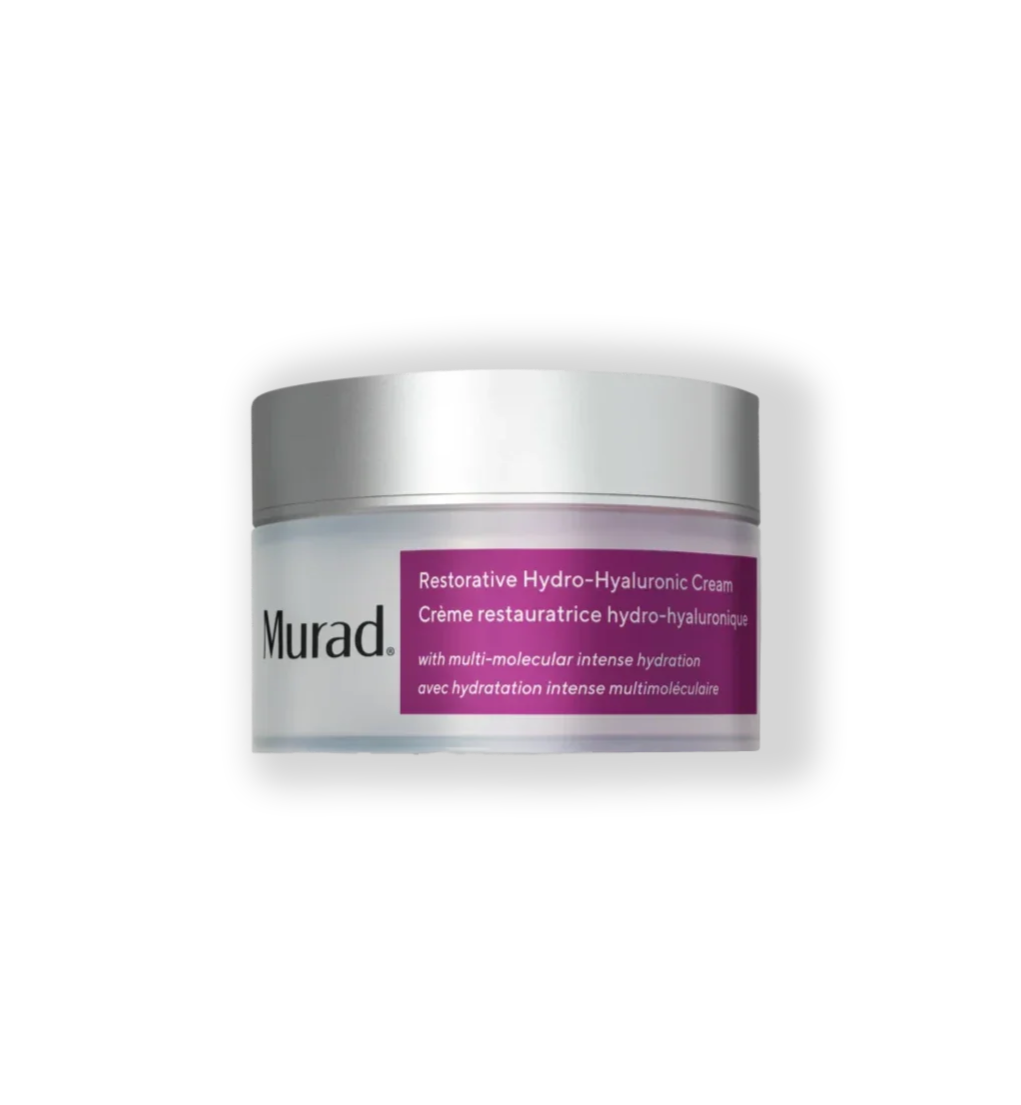
Try Murad Restorative Hydro-Hyaluronic Cream.
This deeply hydrating moisturiser is an ideal choice when hormonal changes leave skin feeling increasingly dry, depleted or less supple. Its hydration-focused formula helps replenish moisture and support smoother, plumper-looking skin.
It's particularly suited to perimenopausal skin experiencing:
- Persistent dryness
- Dehydration
- Tightness
- Loss of bounce
- More visible dehydration lines
For dehydrated skin that still prefers a lightweight moisturiser
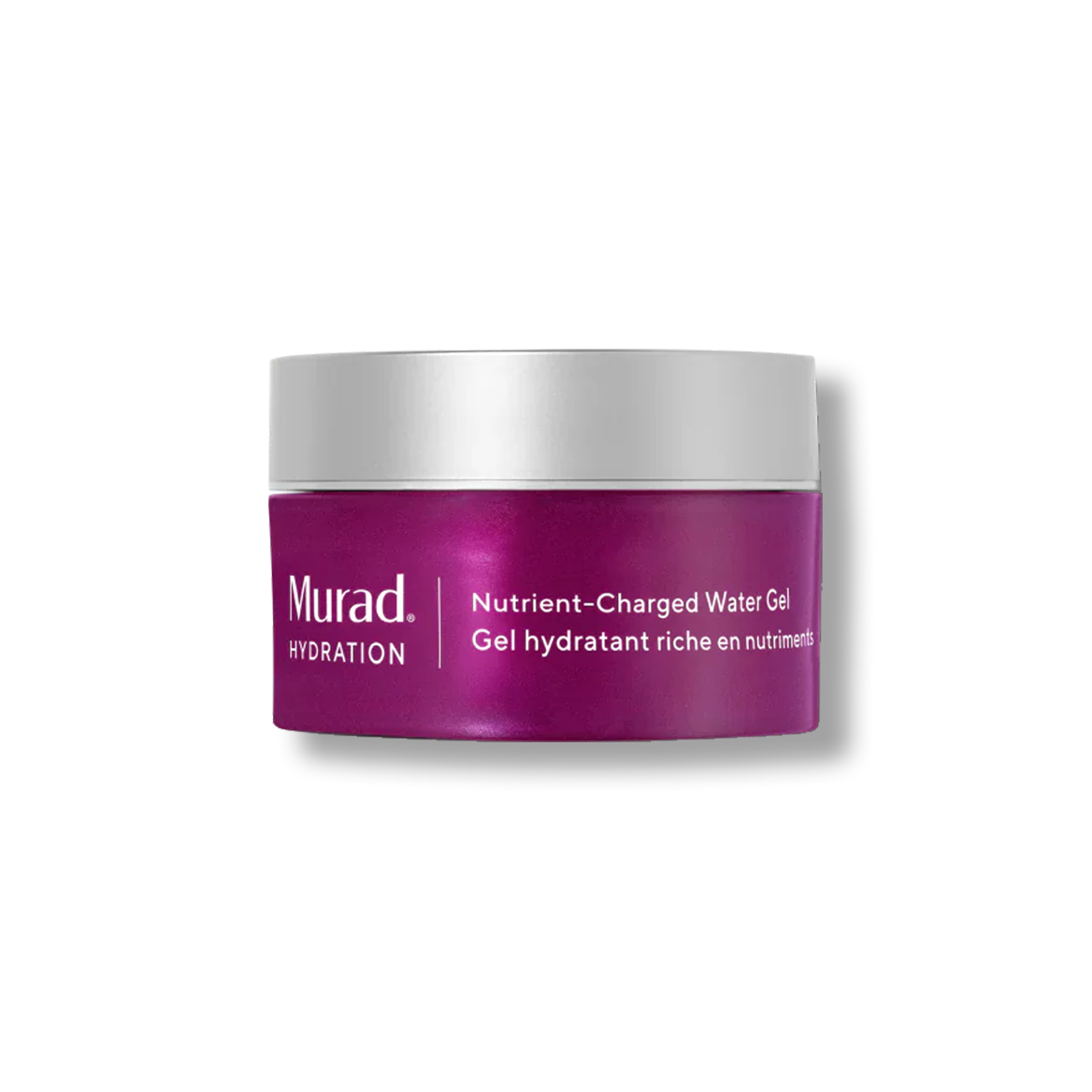
Try Murad Nutrient-Charged Water Gel.
If your skin needs hydration but you don't enjoy rich creams, a lightweight water-gel texture can deliver moisture without feeling heavy.
This can be especially useful when perimenopause brings seemingly contradictory changes, such as dehydration alongside oiliness or occasional blemishes.
For hormonal blemishes, shine and changing oil levels
Try Murad Biome-Balancing Calm & Recover Cream.
Hormonal changes don't always mean dry skin. Fluctuating hormones can also affect oil production and contribute to blemishes, particularly around the jawline and lower face.
A moisturiser designed to calm, hydrate and address the visible evidence of breakouts can therefore be a better fit than automatically switching to a rich anti-ageing cream.
Should You Use a Different Moisturiser at Night?
You can , particularly if your skin feels significantly drier overnight or you're using active ingredients such as retinol.
Your morning moisturiser should work well underneath SPF and help keep skin hydrated and comfortable throughout the day.
At night, you may prefer a more nourishing formula to support your skin alongside your evening treatment.
For example:
AM: Cleanse → targeted serum → moisturiser → broad-spectrum SPF
PM: Cleanse → retinol or targeted treatment → moisturiser
If you're introducing retinol during perimenopause, begin gradually and pay attention to how your skin responds. Supporting your routine with adequate moisturisation can help keep skin feeling comfortable as it adjusts.
Can You Use Retinol During Perimenopause?
Yes. Perimenopause can be an important time to consider ingredients that address visible changes in texture, firmness, lines and radiance.
Retinol helps support skin renewal and can improve multiple visible signs of ageing. However, because hormonal skin may also become drier or more sensitive, balance is important.
Pairing your retinol with a hydrating, barrier-supporting moisturiser can help create a more considered routine rather than simply adding increasingly powerful active ingredients.
Don't Forget SPF
Moisturiser may support hydration and barrier health, but daily sun protection remains one of the most important steps in any perimenopausal skincare routine.
UV exposure contributes to collagen breakdown, pigmentation and other visible signs of skin ageing.
Apply a broad-spectrum SPF every morning as the final step in your skincare routine, particularly when using ingredients such as retinoids or exfoliating acids.
Your Skin Hasn't Suddenly "Stopped Working"
Perimenopause can change what your skin needs.
A moisturiser that worked perfectly throughout your 30s may no longer provide enough hydration in your 40s, or you may suddenly find that rich formulas feel too heavy as hormonal fluctuations affect oil production.
Instead of fighting those changes, adjust your routine around them.
The best moisturiser for perimenopausal skin is one that responds to your skin's current needs: replenishing hydration, supporting the skin barrier and helping skin feel comfortable, resilient and healthy-looking through hormonal change.
Because when hormones change, your skincare can change with them.
Shop This Article
-
Nutrient-Charged Water Gel
Water-light, oil-free gel moisturiser instantly hydrates, plumps and locks in moisture.
$85.00 | 50ML -
Restorative Hydro-Hyaluronic Cream
Luxurious yet lightweight cream deeply moisturises with Advanced Hyaluronic Acid Technology, plus it’s clinically proven to instantly comfort, smooth and plump skin with moisture
$110.00 | 50ML -

Biome-Balancing Calm & Recover Cream
Biome-Balancing Calm & Recover Cream for Hormonal Breakouts
$80.00 | 50ML


