












How Collagen Loss During Menopause Affects Skin Elasticity and Wrinkles
 Many women notice that during perimenopause and menopause, their skin suddenly begins changing more rapidly than before.
Skin may feel thinner, less firm and less resilient seemingly overnight. Wrinkles can appear deeper, facial contours may soften, and skin can lose the bounce and elasticity it once had.
One of the biggest reasons for these visible changes is collagen loss during menopause.
Collagen is one of the skin’s most important structural proteins, helping keep skin firm, smooth and youthful-looking. As hormone levels decline, collagen production naturally slows, accelerating visible signs of hormonal ageing.
Understanding how menopause affects collagen can help you choose skincare that supports healthier, firmer and more resilient-looking skin over time.
What Is Collagen and Why Is It Important?
Collagen is the protein responsible for helping skin maintain:
- Firmness
- Elasticity
- Strength
- Structure
- Smoothness
It acts like the skin’s support system, helping keep the complexion plump and resilient.
When collagen levels are healthy, skin tends to appear:
- Firmer
- More lifted
- Smoother
- More elastic
- More youthful-looking
However, collagen production naturally declines with age — and hormonal changes during menopause can accelerate this process significantly.
Does Menopause Reduce Collagen Production?
Yes.
Oestrogen plays a major role in collagen production and skin health.
During perimenopause and menopause, declining oestrogen levels can contribute to:
- Reduced collagen synthesis
- Loss of elasticity
- Thinner-looking skin
- Increased dryness
- Slower skin repair
- Reduced skin density
Research suggests women can lose up to 30% of collagen within the first five years after menopause.
This rapid decline is one of the key reasons visible skin ageing often appears to accelerate during this stage of life.
How Collagen Loss Changes the Skin
As collagen declines, the skin’s internal support structure weakens.
This can contribute to:
- Sagging skin
- Jowls
- Wrinkles
- Crepey texture
- Loss of firmness
- Thinner skin
- Reduced elasticity
Many women particularly notice changes around:
- The jawline
- Neck
- Eyes
- Cheeks
- Mouth area
Skin may also feel less “springy” and take longer to recover from dehydration or environmental stress.
Why Hormonal Ageing Affects Skin Elasticity
Elasticity refers to the skin’s ability to stretch and bounce back into place.
As collagen and elastin decline during menopause, skin becomes less resilient and more prone to visible sagging.
At the same time, reduced hydration and barrier function can make skin appear:
- Drier
- Rougher
- More fragile
- More lined
This combination often creates the visible signs associated with hormonal ageing.
How to Improve Skin Elasticity After Menopause
While collagen decline is a natural part of ageing, the right skincare routine can help visibly improve firmness, elasticity and overall skin quality.
The key is combining:
- Collagen-supportive ingredients
- Barrier repair
- Hydration
- Consistency
1. Use Retinoids to Support Collagen Renewal
Retinoids are considered one of the most effective anti-ageing ingredients for mature skin.
They help accelerate skin renewal while supporting collagen production and improving:
- Fine lines
- Wrinkles
- Skin texture
- Elasticity
- Firmness
Retinal is an especially advanced form of vitamin A because it requires fewer conversion steps within the skin than traditional retinol.
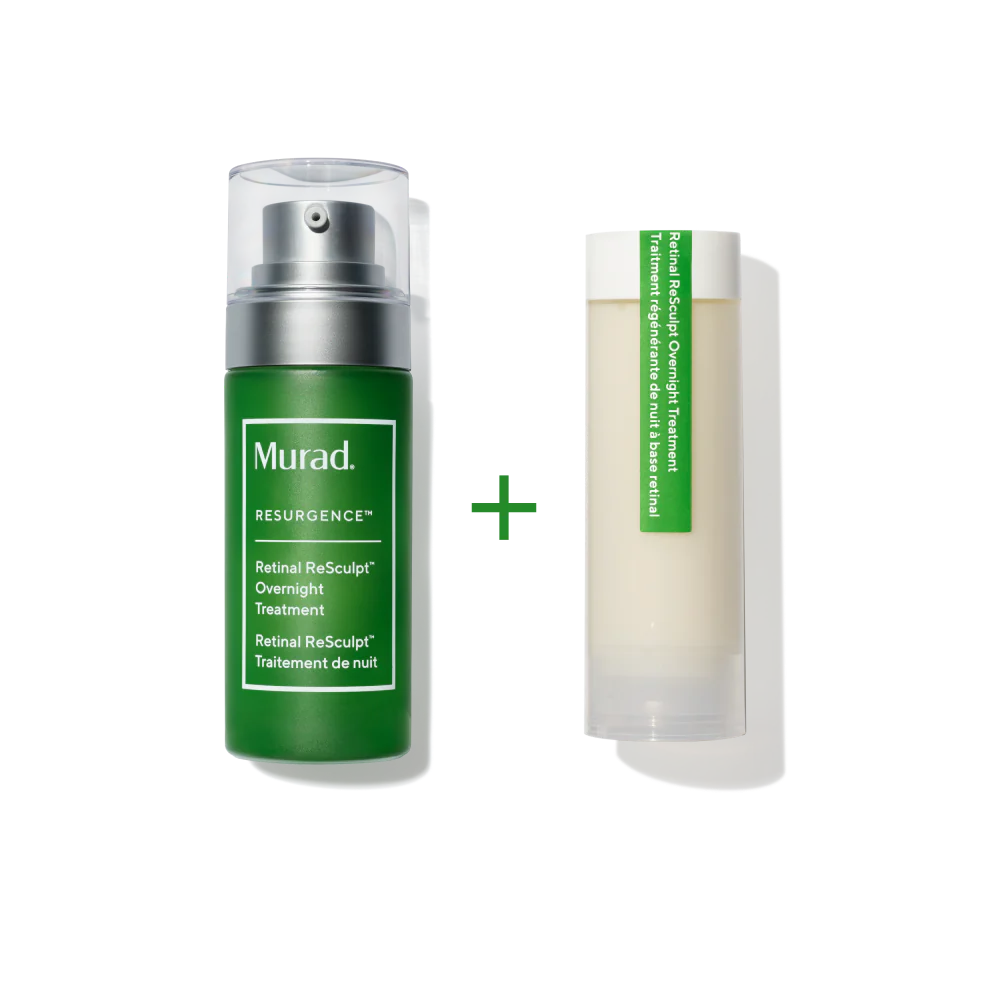
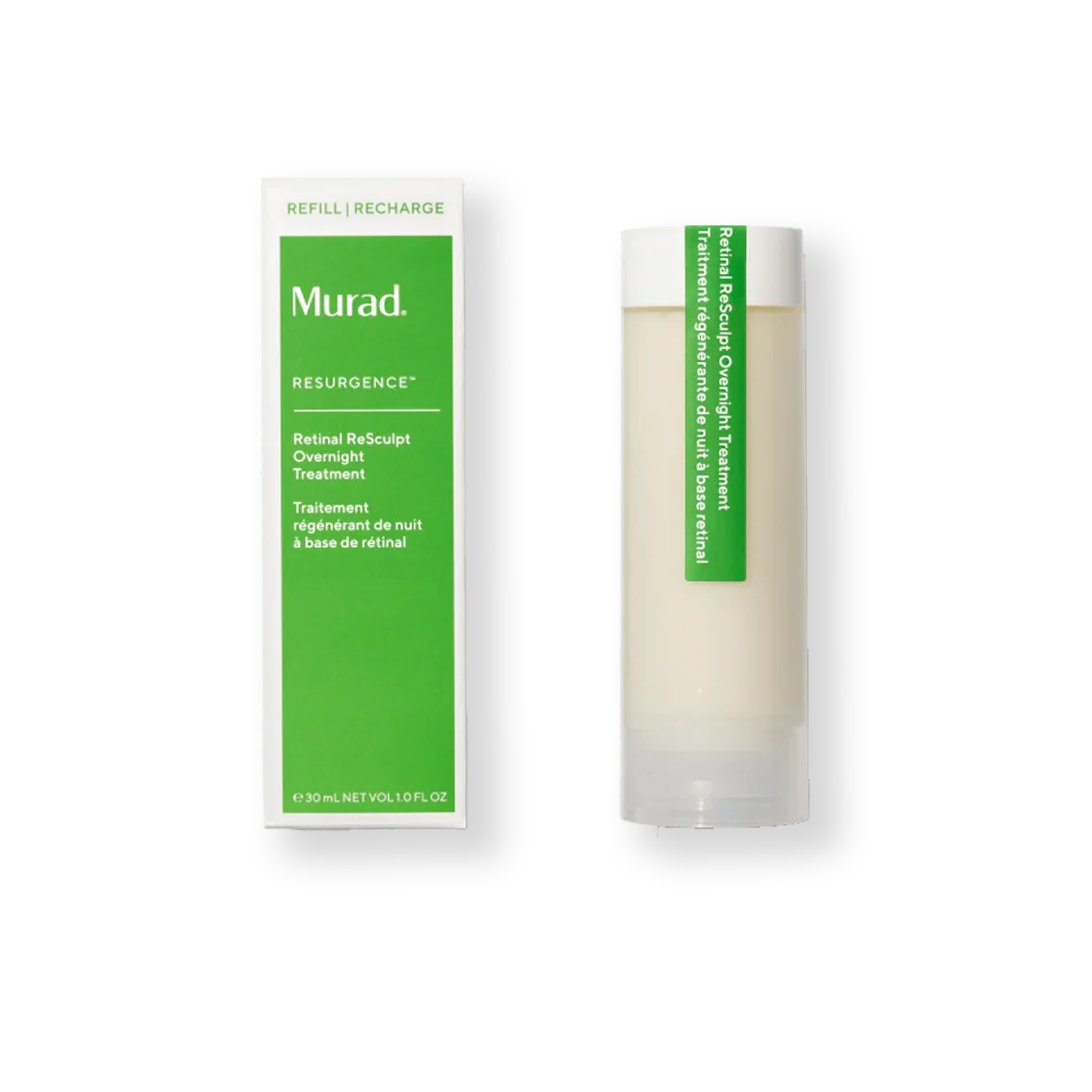
Murad’s Retinal ReSculpt Overnight Treatment combines encapsulated retinal technology with NAD+ Lift Complex to help visibly lift, firm and smooth hormonally ageing skin.
2. Prioritise Hydration
Hydrated skin naturally appears:
- Plumper
- Smoother
- More supple
- More radiant
During menopause, declining oil production and barrier function can increase moisture loss.
Look for ingredients like:
- Hyaluronic Acid
- Ceramides
- Glycerin
- Squalane
- Bilberry Seed Oil
These help support hydration while improving skin comfort and resilience.
3. Strengthen the Skin Barrier
A healthy skin barrier helps skin better retain moisture and tolerate active ingredients more effectively.
Barrier-supportive skincare can help reduce:
- Dryness
- Sensitivity
- Inflammation
- Rough texture
This is especially important for mature skin during hormonal transitions.
4. Use Antioxidants Daily
Environmental stressors such as UV exposure and pollution can accelerate collagen breakdown.
Antioxidants like Vitamin C help:
- Defend against oxidative stress
- Support brighter-looking skin
- Improve uneven tone
- Support collagen health
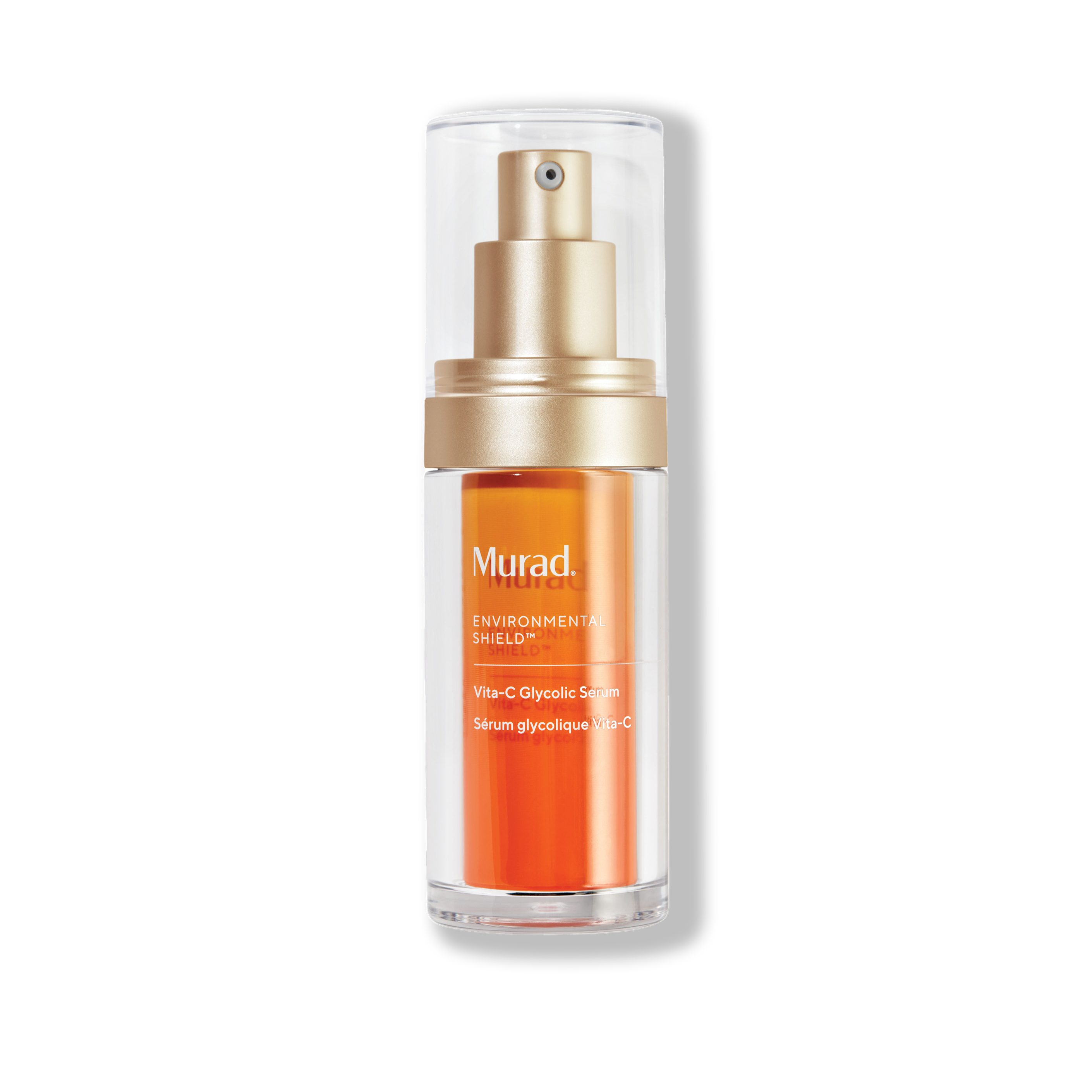
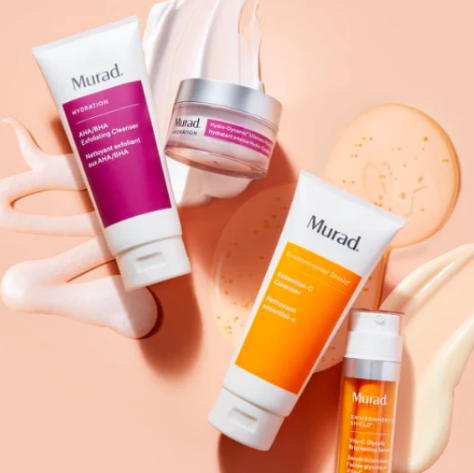
Murad’s Vita-C Glycolic Serum combines Vitamin C with Glycolic Acid to help improve radiance while supporting healthier-looking skin overall.
5. Wear SPF Every Day
Daily sunscreen is one of the most important anti-ageing steps for preserving collagen.
UV exposure significantly contributes to:
- Collagen breakdown
- Wrinkles
- Loss of elasticity
- Pigmentation
- Skin thinning
Protecting the skin daily helps maintain long-term skin health and resilience.
Which Anti-Ageing Ingredients Work Best for Mature Skin?
Help support collagen renewal and improve visible wrinkles and firmness.
Help support smoother, firmer-looking skin.
Helps improve hydration and plumpness.
Supports antioxidant protection and collagen health.
Help strengthen the skin barrier and reduce moisture loss.
Helps support barrier function while improving skin texture and tone.
Why Mature Skin Needs a Different Anti-Ageing Approach
Hormonal skin ageing often requires a gentler, more supportive approach than younger skin.
Overly aggressive routines can worsen:
- Dryness
- Sensitivity
- Barrier damage
- Inflammation
Instead, mature skin benefits from:
- Barrier-conscious formulations
- Consistent hydration
- Nourishing textures
- Clinically proven anti-ageing technologies
The goal is not only correction, but also long-term skin wellness and resilience.
Recommended Murad Routine for Mature, Hormonal Ageing Skin
Morning Routine
Evening Routine
Healthy Skin During Menopause Starts With Support
Menopause changes the skin - but it doesn’t mean healthy, radiant-looking skin is no longer achievable.
Understanding collagen loss and adapting your skincare routine accordingly can help support:
- Firmer-looking skin
- Improved elasticity
- Smoother texture
- Better hydration
- Long-term skin resilience
At Murad, we believe skin is the body’s window to wellness, and supporting skin through hormonal ageing starts with understanding what the skin truly needs at every stage of life.
FAQs About Collagen Loss During Menopause
Does menopause reduce collagen production?
Yes. Declining oestrogen levels during menopause significantly reduce collagen production, contributing to wrinkles, sagging and loss of elasticity.
How can I improve skin elasticity after menopause?
Using collagen-supportive ingredients like retinal, peptides, Vitamin C and hydrating barrier-supportive skincare can help visibly improve skin firmness and elasticity.
Which anti-ageing ingredients work best for mature skin?
Retinal, retinol, peptides, Hyaluronic Acid, Vitamin C, ceramides and Niacinamide are among the most effective ingredients for mature, hormonally ageing skin.
Why does my skin suddenly feel thinner during menopause?
Collagen and elastin decline during menopause can make the skin appear thinner, less firm and more fragile.
Can retinoids help menopausal skin?
Yes. Retinoids help support collagen renewal while improving wrinkles, skin texture and firmness.
How important is hydration for mature skin?
Hydration is essential because menopausal skin naturally loses moisture more easily, contributing to dryness, rough texture and visible lines.
Shop This Article
-
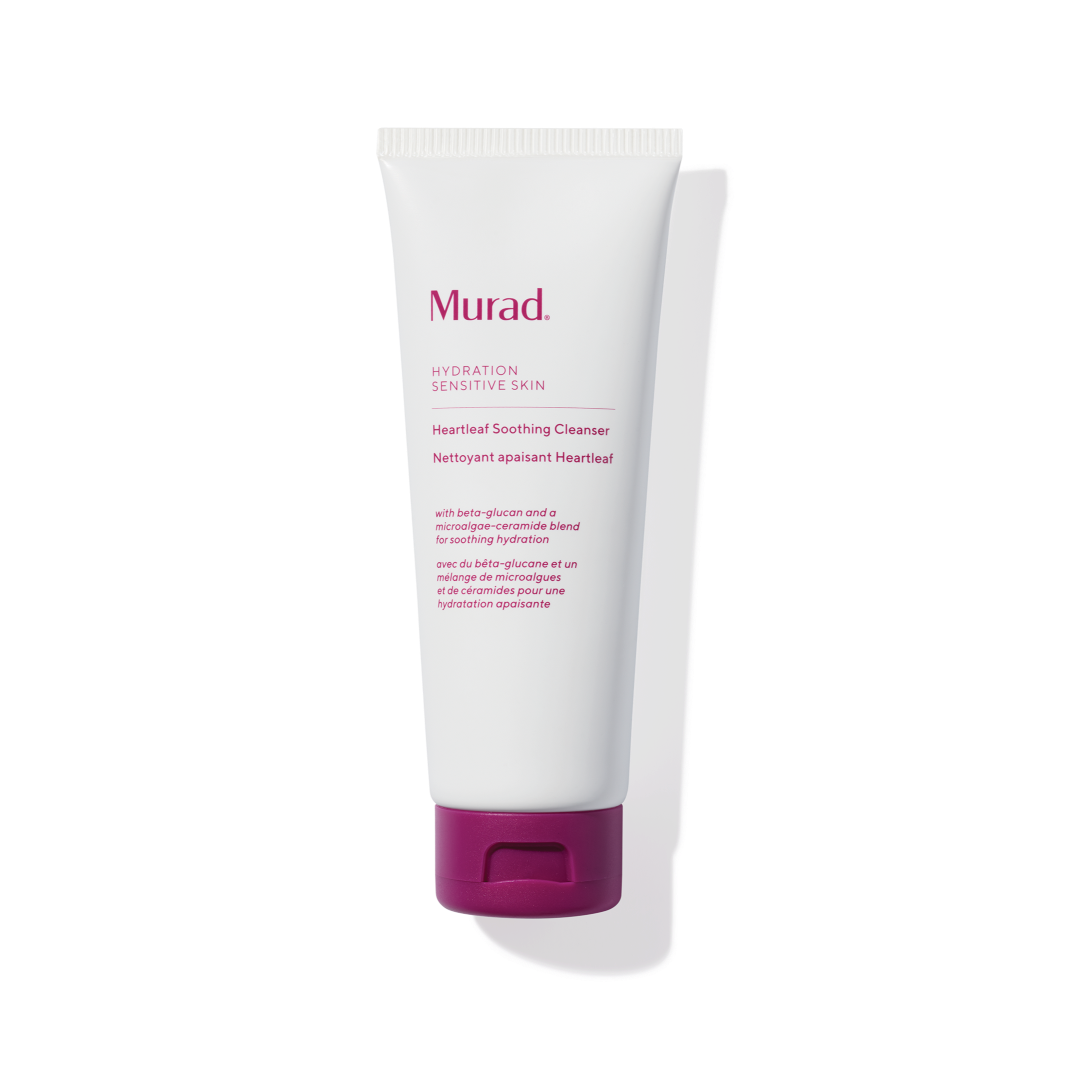
Heartleaf Soothing Face Cleanser for Sensitive and Eczema-Prone Skin
Immediately calms, soothes, softens, and refreshes sensitive and eczema-prone skin
$50.00 | 148ML -
Vita-C Glycolic Serum
Gold-Class vitamin C and glycolic acid serum for dramatically brighter, healthier-looking skin
$155.00 | 30ML -
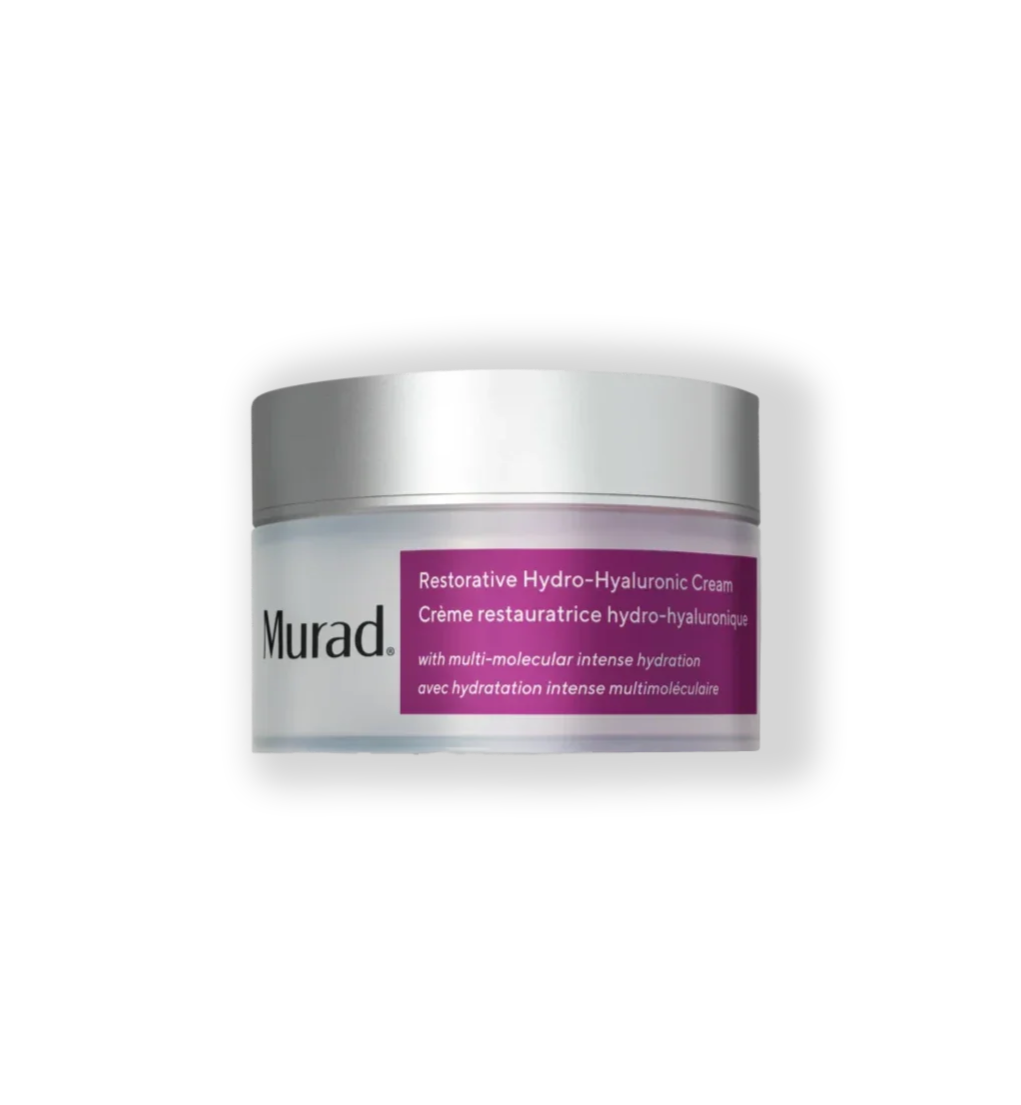
Restorative Hydro-Hyaluronic Cream
Luxurious yet lightweight cream deeply moisturises with Advanced Hyaluronic Acid Technology, plus it’s clinically proven to instantly comfort, smooth and plump skin with moisture
$110.00 | 50ML -

Retinal ReSculpt™ Overnight Treatment
Uniquely encapsulated retinal serum that dramatically lifts and improves sagging, smooths deep-set wrinkles and increases skin elasticity
$180.00 | 30ML -

Retinal ReSculpt Overnight Cream
Visibly lift, firm + re-volumize facial contours in 4 weeks with this deeply hydrating overnight cream powered by encapsulated retinal and NAD+ Lift Complex
$170.00 | 50ML


