














How to Choose the Best Dark Spot Treatment for Your Skin Type
 Dermatologist-Approved Dark Spot Treatments for the Face
Dark spots are one of the most common skin concerns - and one of the most frustrating. Whether caused by sun exposure, post-acne marks, hormonal changes or ageing, uneven pigmentation can leave skin looking dull, tired and older than it really is.
But not every dark spot treatment works for every skin type - or every stage of life.
For many women, pigmentation can also become noticeably worse during perimenopause, when hormonal shifts begin affecting the skin in new ways. As estrogen levels decline, skin becomes more reactive to inflammation, UV exposure and hormonal triggers, making dark spots appear more persistent and more visible.
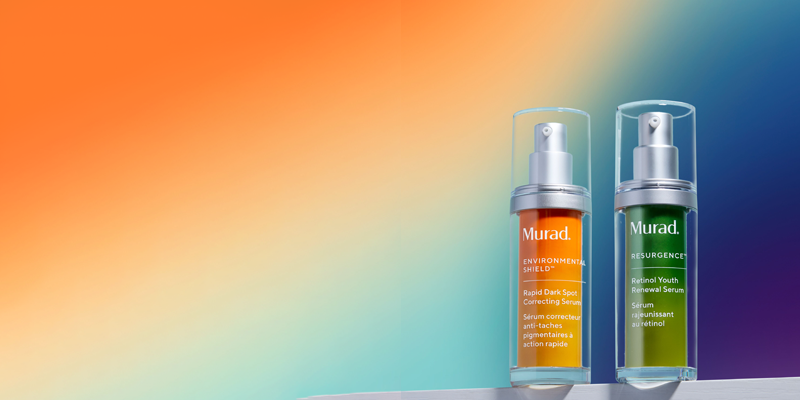
In this guide, we’ll explain how to choose the best dark spot treatment for your skin type, how hormonal changes can influence pigmentation, and why dermatologists recommend targeted formulas like Murad Rapid Dark Spot Correcting Serum for clearer, brighter-looking skin.
What Causes Dark Spots?
Dark spots form when the skin produces excess melanin in response to inflammation or UV exposure.
Common causes include:
Sun damage
Post-acne marks
Hormonal pigmentation (melasma)
Skin ageing
Inflammation or irritation
In Australia, strong UV exposure makes pigmentation especially common - but hormones can also play a major role.
Why Pigmentation Often Increases During Perimenopause
Many women notice pigmentation becoming darker or more stubborn in their 40s - even when they haven’t changed their skincare routine.
One reason is the decline in estrogen during perimenopause.
Estrogen helps regulate:
Skin hydration
Collagen production
Skin repair processes
Melanin activity
As estrogen levels begin fluctuating and decreasing:
Skin becomes thinner and more reactive
Inflammation increases more easily
Existing sun damage becomes more visible
Pigment can appear darker and harder to fade
This is why women often notice more uneven skin tone, new pigmentation patches and dark spots lingering longer than before
Hormonal pigmentation is especially common around the cheeks, upper lip, jawline and forehead
This means treating pigmentation during perimenopause often requires a more supportive approach - not just aggressive exfoliation.
Why Your Skin Type Matters
Many people choose dark spot products based only on the pigmentation itself - but skin type plays a major role in how well treatments perform.
Using ingredients that are too harsh can lead to:
Redness
Barrier damage
Increased inflammation
Worsened pigmentation
The best dark spot treatment balances:
Brightening
Gentle resurfacing
Barrier support
This becomes even more important during hormonal skin changes.
Best Dark Spot Treatments by Skin Type
For Sensitive or Hormonal Skin
Sensitive or perimenopausal skin benefits from treatments that correct pigment while calming inflammation.
Look for:
Niacinamide
Tranexamic acid
Gentle exfoliating acids
Barrier-supporting ingredients
Recommended:
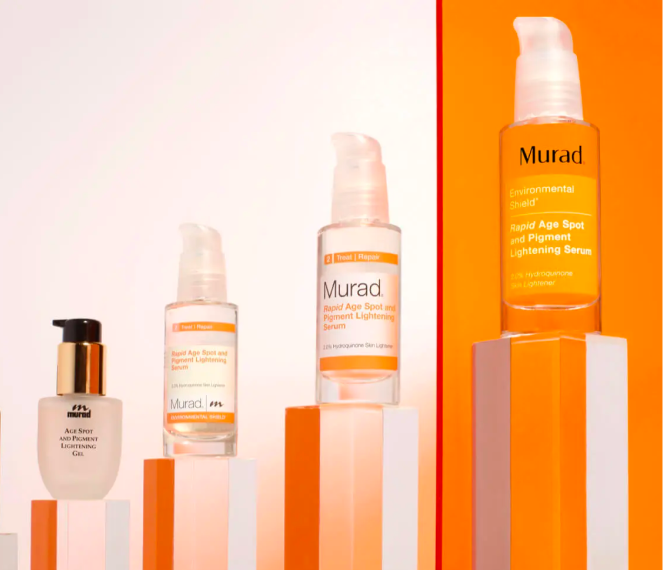
Murad Rapid Dark Spot Correcting Serum
Why it works:
Helps visibly reduce dark spots without hydroquinone
Contains niacinamide to strengthen the skin barrier
Includes tranexamic acid to help target hormonally influenced pigmentation
Uses a balanced formula designed to minimise irritation
The lightweight texture layers easily into both morning and evening routines.
For Oily or Acne-Prone Skin
Post-acne marks are one of the most common forms of pigmentation in oily skin types.
Look for:
Glycolic acid
Lightweight serums
Oil-free formulas
Ingredients that encourage cell turnover
Murad Rapid Dark Spot Correcting Serum combines:
Glycolic acid to exfoliate dull surface cells
Resorcinol technology to visibly brighten discoloration
Tranexamic acid to support more even-looking skin
This makes it particularly effective for post-breakout pigmentation.
For Dry or Mature Skin
Mature skin often experiences pigmentation alongside:
Fine lines
Dullness
Loss of elasticity
The best approach combines brightening with skin renewal and hydration.
Recommended Pairing
Morning:
Murad Rapid Dark Spot Correcting Serum
Night:
Retinol or retinal treatment
This routine helps:
Fade dark spots
Improve skin texture
Support collagen renewal
Address visible signs of hormonal ageing
What Makes Murad Rapid Dark Spot Correcting Serum Different?
Multi-Pathway Pigment Correction
Unlike many brightening serums that focus on just one ingredient, Murad’s formula targets pigmentation from multiple angles.
Key Ingredients
Resorcinol Technology
Helps visibly reduce dark spots and uneven tone.
Tranexamic Acid
Targets discoloration linked to inflammation and hormonal pigmentation.
Niacinamide
Brightens while strengthening the moisture barrier.
Glycolic Acid
Gently resurfaces dull skin for improved clarity and glow.
Together, these ingredients help improve:
Sun spots
Post-acne marks
Hormonal pigmentation
Uneven skin tone
How to Use a Dark Spot Treatment Correctly
Morning Routine
- Cleanse
- Apply Murad Rapid Dark Spot Correcting Serum
- Moisturiser
- SPF 50 sunscreen
Daily SPF is essential because UV exposure can trigger new pigment and worsen existing spots.
Night Routine
- Cleanse
- Apply Rapid Dark Spot Correcting Serum
- Follow with moisturiser or retinal treatment
Consistency matters - pigmentation often improves gradually over several weeks.
Dermatologist Tips for Better Results
Wear sunscreen daily
Avoid over-exfoliating hormonal skin
Support the skin barrier with hydration
Treat inflammation early
Stay consistent with brightening ingredients
For perimenopausal skin especially, gentle consistency tends to work better than aggressive treatment.
Conclusion: Treating Dark Spots Thoughtfully
Dark spots don’t all develop for the same reason - and they shouldn’t all be treated the same way.
Hormonal changes, especially during perimenopause, can make pigmentation more visible and more persistent as estrogen declines and skin becomes more reactive.
That’s why the best dark spot treatments combine:
Brightening ingredients
Gentle resurfacing
Barrier support
For many skin types and life stages, Murad Rapid Dark Spot Correcting Serum offers an effective dermatologist-inspired approach to helping skin look clearer, brighter and more even over time.
Because great skin isn’t about fighting change - it’s about supporting your skin through it.
Shop This Article
-

Rapid Dark Spot Correcting Serum
Clinically proven dark spot serum to reduce melasma, pigmentation and age spots in 7 days for brighter, more even skin tone.
$145.00 | 30ML -

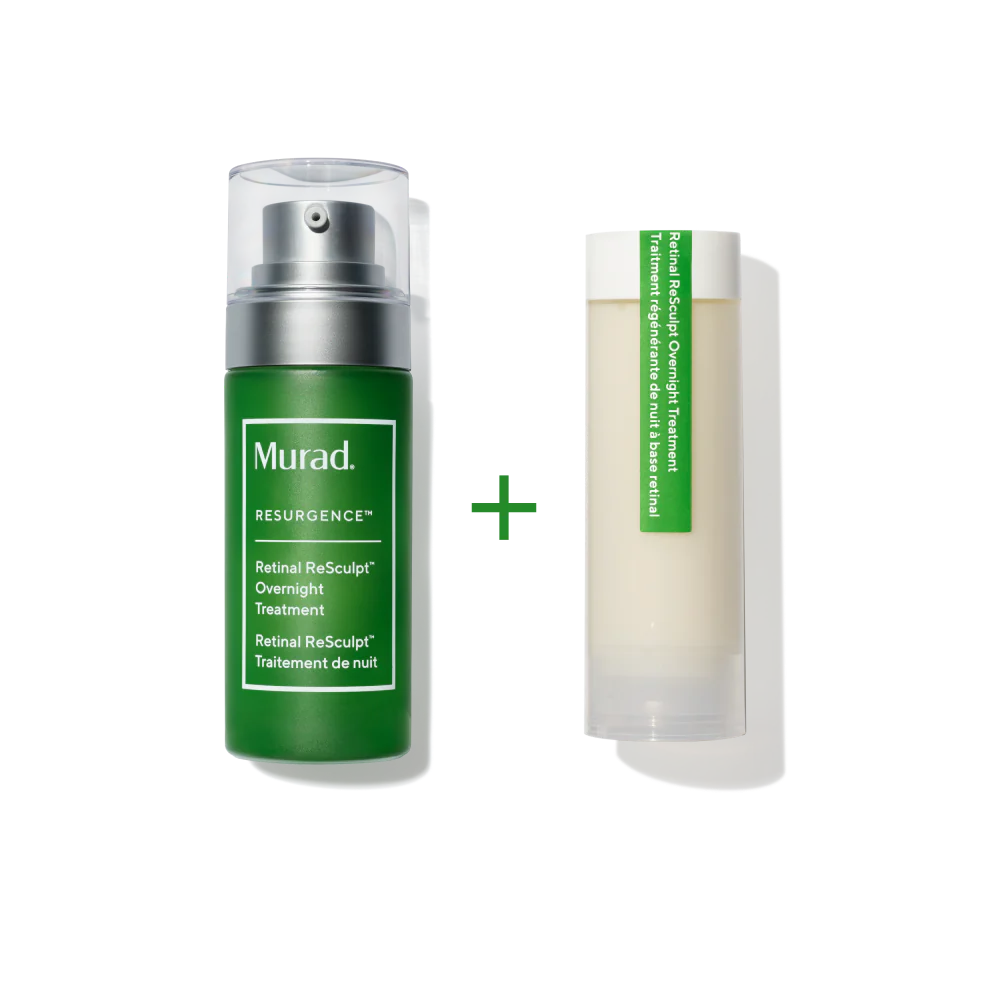
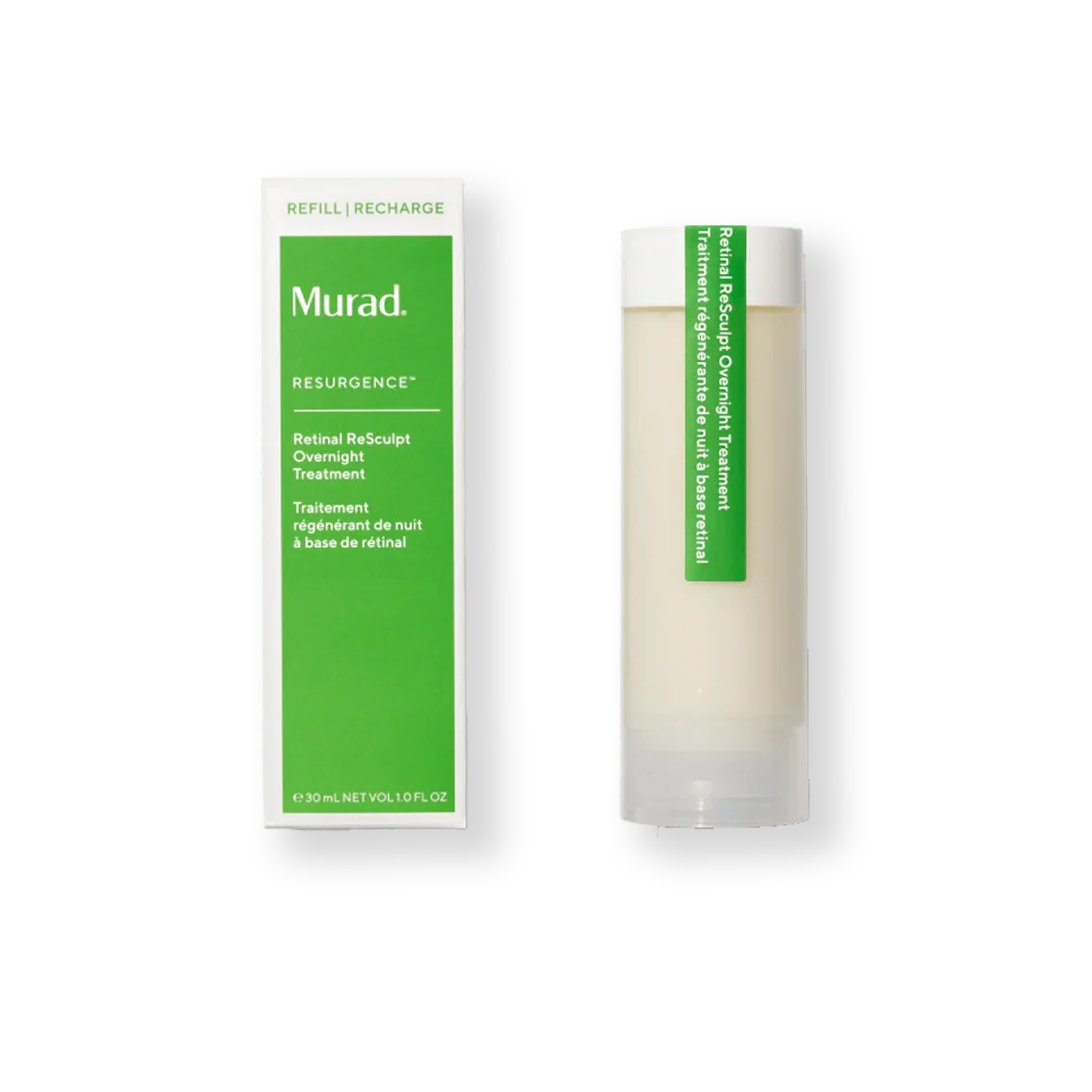
Retinal ReSculpt™ Overnight Treatment
Uniquely encapsulated retinal serum that dramatically lifts and improves sagging, smooths deep-set wrinkles and increases skin elasticity
$180.00 | 30ML


