












Perimenopause Skin Problems Explained: From Sensitivity to Sudden Pigmentation
 If your skin suddenly feels more reactive, unpredictable or unlike it used to, perimenopause may be playing a bigger role than you realise.
For many women, perimenopause brings noticeable skin changes that seem to appear almost overnight. Skin may become:
- More sensitive
- Drier
- Redder
- Less firm
- More breakout-prone
- More pigmented
- Less radiant
Many women describe this stage as feeling like their skin suddenly stopped behaving the way it used to.
This happens because fluctuating hormones during perimenopause can significantly affect the skin’s barrier, hydration, collagen production and inflammatory response.
Understanding these hormonal skin changes can help you choose the right skincare routine to better support your skin during this transition.
What Happens to Skin During Perimenopause?
Perimenopause is the hormonal transition leading up to menopause, often beginning in the late 30s or 40s.
During this phase, oestrogen levels fluctuate unpredictably before eventually declining.
Oestrogen plays a major role in maintaining healthy skin by supporting:
- Hydration
- Collagen production
- Elasticity
- Skin thickness
- Barrier function
- Wound healing
As these hormonal changes occur, skin may become more vulnerable to:
- Moisture loss
- Irritation
- UV damage
- Inflammation
- Pigmentation changes
This is why many women begin noticing multiple skin concerns at the same time during perimenopause.
Can Perimenopause Make Skin More Sensitive?
Yes, increased sensitivity is one of the most common skin concerns during perimenopause.
As oestrogen declines, the skin barrier can weaken, making skin less able to retain moisture and defend itself against external stressors.
This can cause skin to react more easily to:
- Active ingredients
- Harsh cleansers
- Weather changes
- UV exposure
- Stress
- Fragrance
- Over-exfoliation
Skin may suddenly feel:
- Tight
- Itchy
- Red
- Inflamed
- Burning
- Easily irritated
Products that once worked perfectly may suddenly feel too strong.
Why Does Perimenopausal Skin Become Dry?
Hormonal changes can reduce natural oil production and weaken the skin barrier.
This increases transepidermal water loss, meaning moisture escapes from the skin more easily.
As a result, skin may feel:
- Rough
- Tight
- Flaky
- Dehydrated
- Less supple
Dryness can also make fine lines and texture appear more noticeable.
Why Does Pigmentation Increase During Perimenopause?
Many women notice dark spots and uneven skin tone becoming more visible during perimenopause.
This happens because hormonal fluctuations can make the skin more reactive to:
- UV exposure
- Inflammation
- Heat
- Stress
Pigmentation may appear darker and linger longer than before.
At the same time, slower skin renewal means discoloration can become more difficult to fade naturally.
This combination often contributes to:
- Uneven skin tone
- Sun spots
- Hormonal pigmentation
- Post-inflammatory marks
- Dullness
Hormonal skin ageing doesn’t necessarily create pigmentation alone - but it can make existing pigmentation more persistent and noticeable.
Why Skin Can Feel Both Sensitive and Acne-Prone
One of the most frustrating aspects of perimenopausal skin is that multiple concerns often happen simultaneously.
Fluctuating hormones may increase oil production while the skin barrier becomes weaker.
This can lead to:
- Breakouts
- Congestion
- Redness
- Sensitivity
- Dryness
- Irritation
This is why harsh acne treatments or aggressive exfoliation can often make hormonally ageing skin worse rather than better.
How to Calm Irritated Menopausal Skin
The key to calming perimenopausal skin is focusing on barrier repair and reducing inflammation.
1. Simplify Your Routine
Overloading the skin with too many active ingredients can worsen irritation.
Focus on:
Consistency is often more effective than aggressive routines.
2. Use Barrier-Supportive Ingredients
Look for ingredients that help strengthen and comfort the skin barrier, including:
- Hyaluronic Acid
- Ceramides
- Glycerin
- Squalane
- Peptides
- Bilberry Seed Oil
These ingredients help reduce moisture loss while improving skin comfort and resilience.
3. Avoid Over-Exfoliating
Perimenopausal skin often becomes less tolerant of frequent exfoliation.
Too many acids or scrubs may worsen:
- Redness
- Sensitivity
- Dryness
- Inflammation
Gentle exfoliation used strategically is usually better tolerated.
4. Introduce Retinoids Carefully
Retinoids remain one of the most effective ingredients for hormonal ageing, but formula choice matters.
Encapsulated retinoid technologies help improve:
- Wrinkles
- Texture
- Firmness
- Pigmentation
while helping minimise irritation.
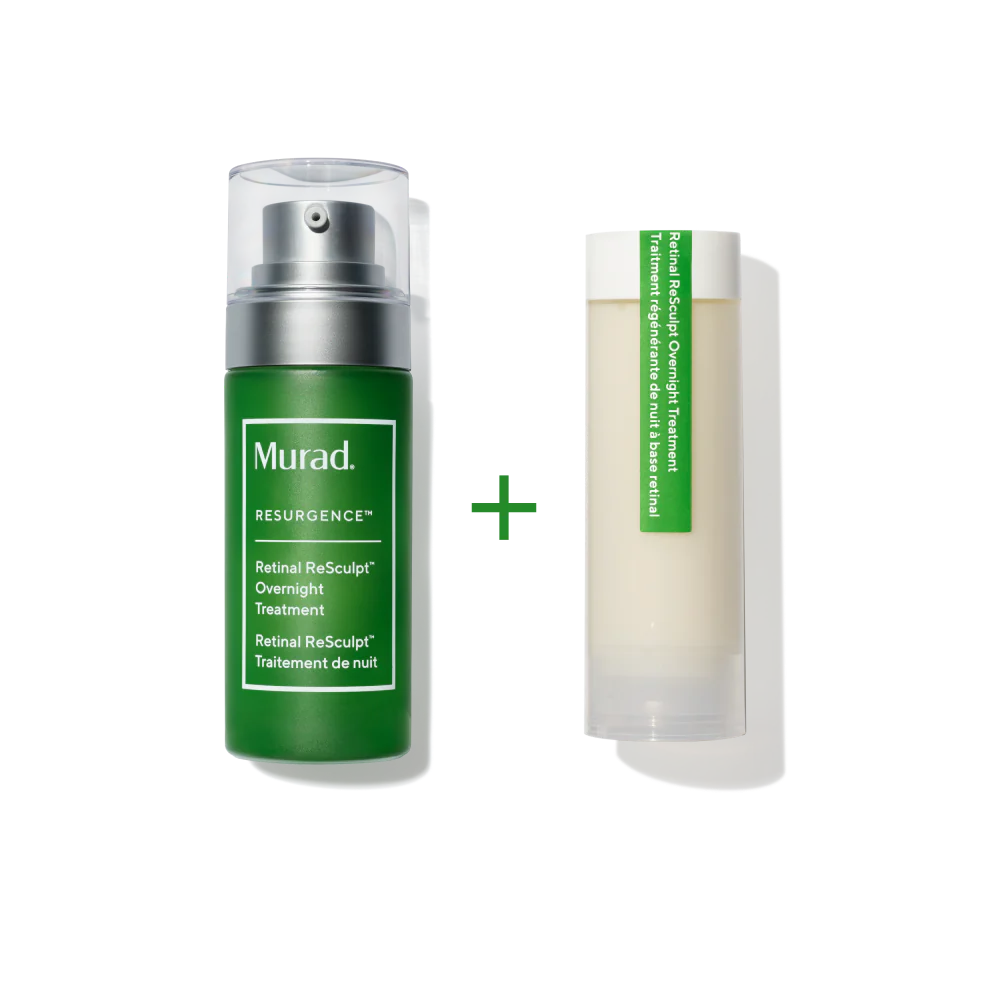
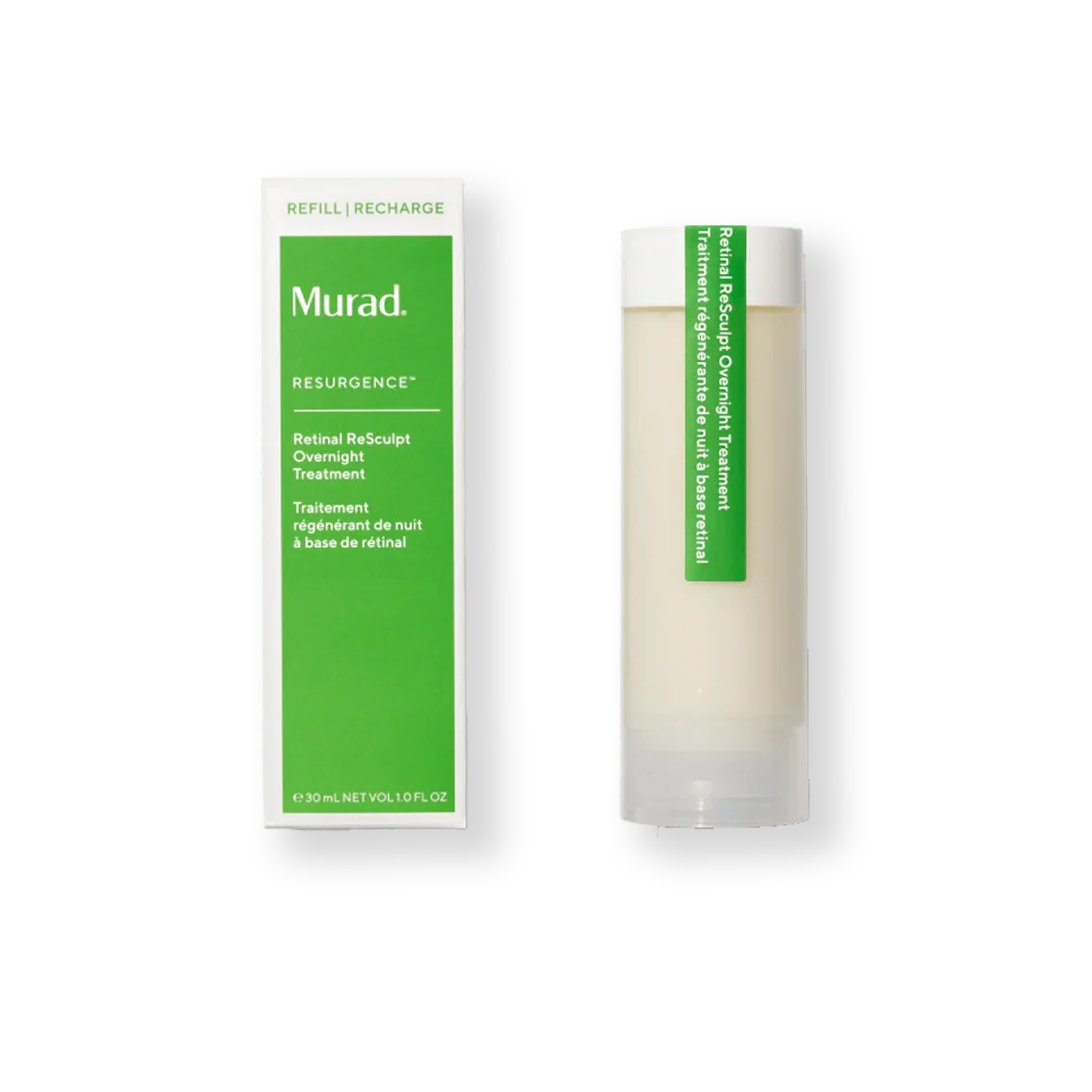
Murad’s Retinal ReSculpt Overnight Treatment combines encapsulated retinal with hydrating technologies to support hormonally ageing skin without unnecessarily compromising the barrier.
5. Wear SPF Daily
Hormonal skin becomes more reactive to UV exposure, making sunscreen essential.
Daily SPF helps reduce:
- Pigmentation
- Inflammation
- Collagen breakdown
- Premature ageing
- Sensitivity triggered by UV damage
Best Ingredients for Perimenopausal Skin Concerns
For Sensitivity
- Ceramides
- Hyaluronic Acid
- Peptides
- Barrier-supportive lipids
For Pigmentation
For Wrinkles + Firmness
For Hydration
- Hyaluronic Acid
- Glycerin
- Squalane
- Nourishing oils
Recommended Murad Routine for Perimenopausal Skin
Morning Routine
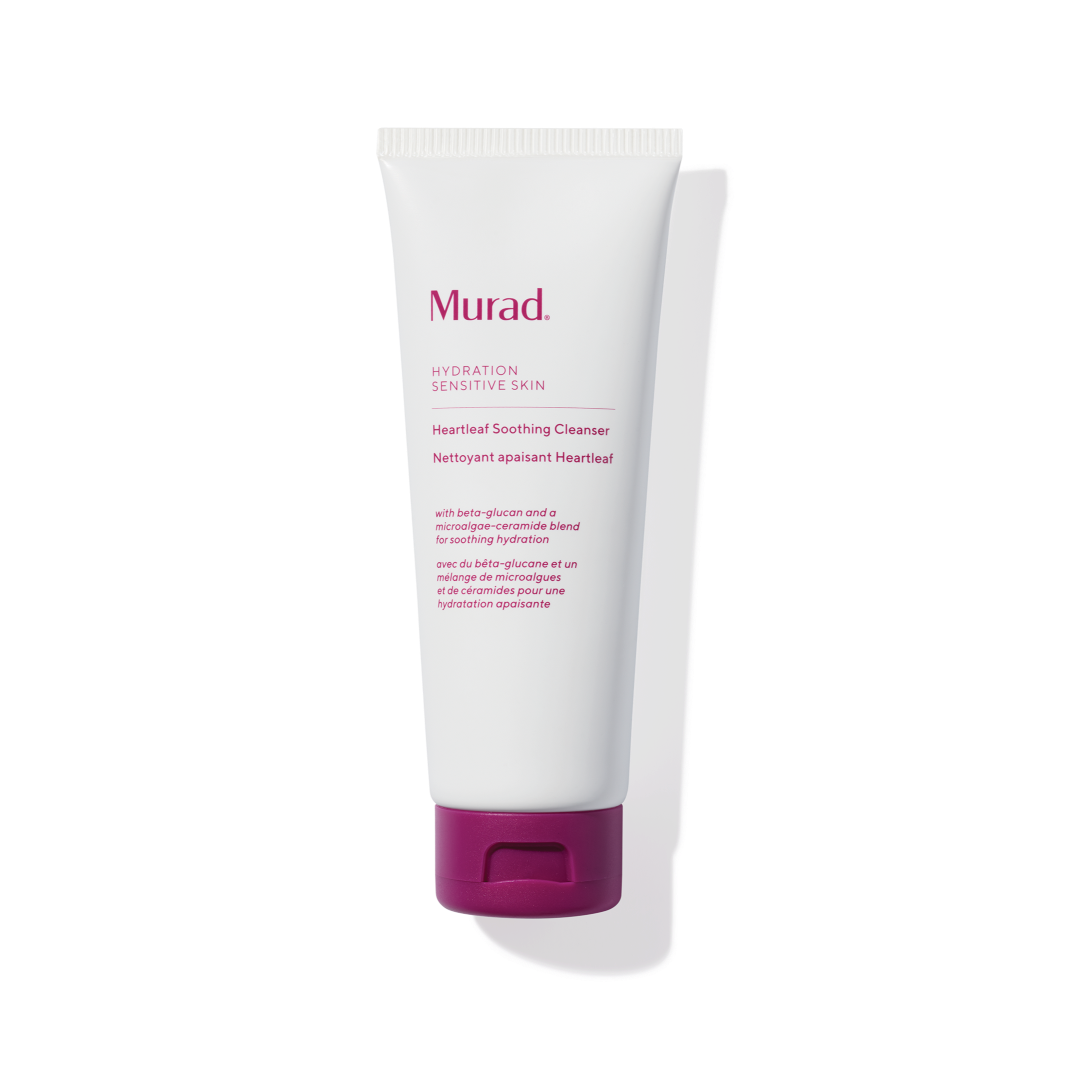
- Heartleaf Soothing Cleanser
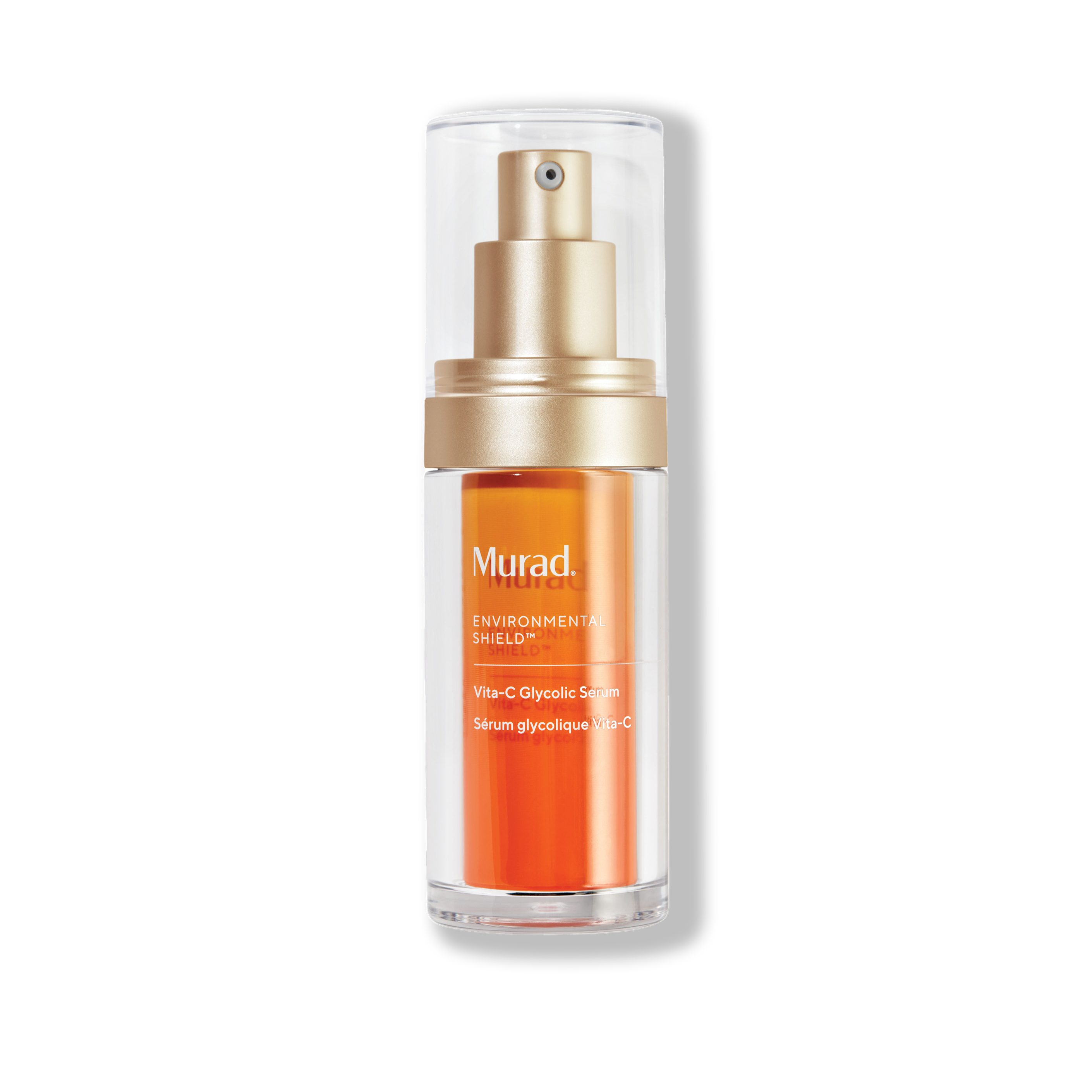
- Vita-C Glycolic Serum
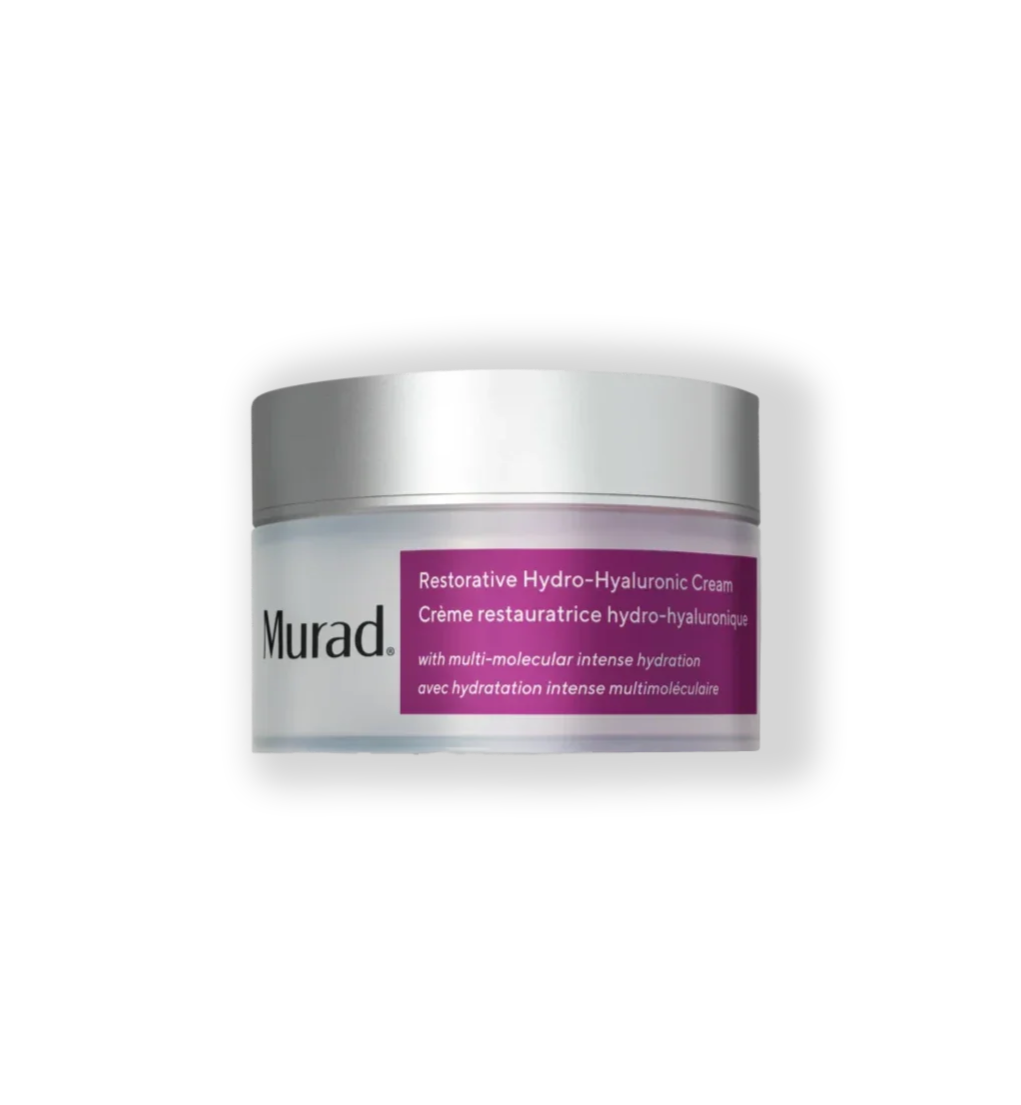
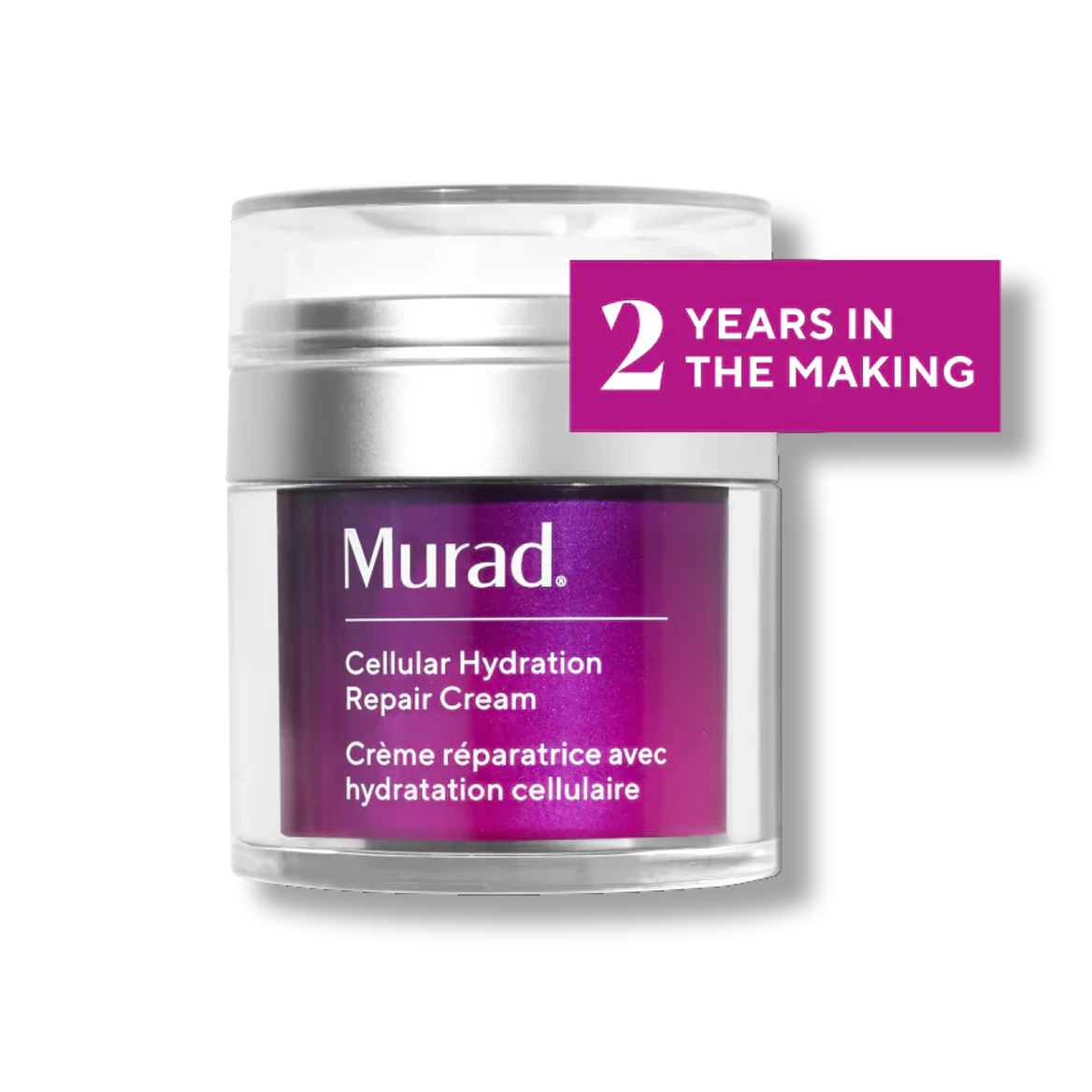
- Restorative Hydro-Hyaluronic Cream or Cellular Hydration Barrier Repair Cream
- SPF
Evening Routine
- Gentle Cleanser
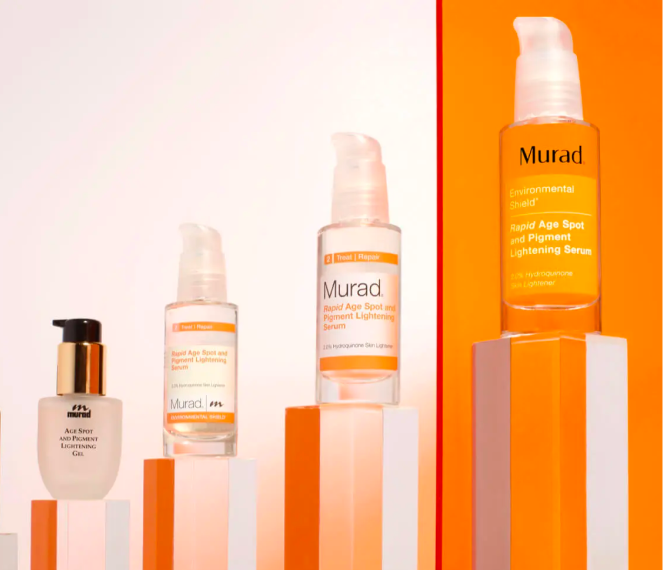
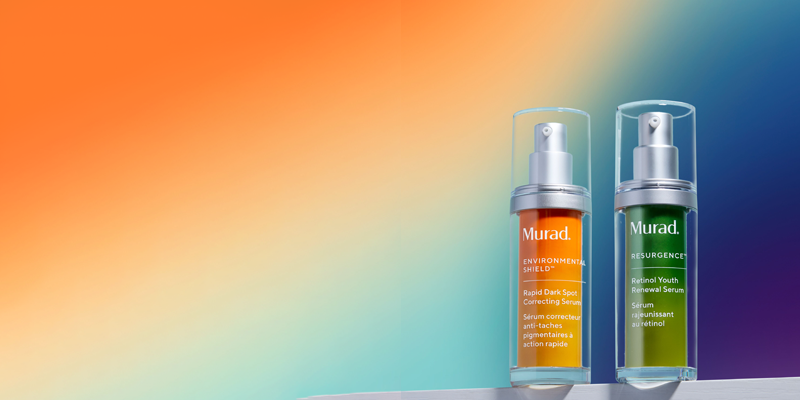
- Rapid Dark Spot Correcting Serum
- Retinal ReSculpt Overnight Treatment
- Retinal ReSculpt Overnight Cream
Perimenopause Skin Changes Are Common - and Treatable
Hormonal skin changes during perimenopause can feel sudden and emotionally frustrating, especially when skin no longer behaves the way it once did.
But with the right skincare approach, it’s possible to support:
- Stronger barrier function
- Better hydration
- More even-looking tone
- Improved firmness
- Calmer, healthier-looking skin
At Murad, we believe skin is the body’s window to wellness, and supporting hormonally ageing skin starts with understanding what your skin truly needs during every stage of hormonal change.
FAQs About Perimenopause Skin Problems
Can perimenopause make skin more sensitive?
Yes. Hormonal fluctuations can weaken the skin barrier, making skin more reactive to environmental stress, active ingredients and moisture loss.
Why does pigmentation increase during perimenopause?
Hormonal changes can make skin more reactive to UV exposure and inflammation, causing pigmentation to appear darker and linger longer.
How do I calm irritated menopausal skin?
Focus on gentle cleansing, barrier repair, hydration, SPF and avoiding over-exfoliation or overly aggressive skincare routines.
Why is my skin suddenly dry during perimenopause?
Declining oestrogen levels can reduce natural oil production and increase moisture loss from the skin.
Can perimenopause cause acne and sensitivity together?
Yes. Hormonal fluctuations may increase oil production while weakening the skin barrier at the same time.
What ingredients are best for hormonally ageing skin?
Retinal, Hyaluronic Acid, peptides, Vitamin C, ceramides and barrier-supportive lipids are especially beneficial during perimenopause.
Shop This Article
-
Heartleaf Soothing Face Cleanser for Sensitive and Eczema-Prone Skin
Immediately calms, soothes, softens, and refreshes sensitive and eczema-prone skin
$50.00 | 148ML -
Vita-C Glycolic Serum
Gold-Class vitamin C and glycolic acid serum for dramatically brighter, healthier-looking skin
$155.00 | 30ML -
Restorative Hydro-Hyaluronic Cream
Luxurious yet lightweight cream deeply moisturises with Advanced Hyaluronic Acid Technology, plus it’s clinically proven to instantly comfort, smooth and plump skin with moisture
$110.00 | 50ML -
Cellular Hydration Barrier Repair Cream
Daily nourishing cream with fatty acids from bilberry omegas that immediately repairs dry, flaky and dehydrated skin
$118.00 | 50ML -

Rapid Dark Spot Correcting Serum
Clinically proven dark spot serum to reduce melasma, pigmentation and age spots in 7 days for brighter, more even skin tone.
$145.00 | 30ML -

Retinal ReSculpt™ Overnight Treatment
Uniquely encapsulated retinal serum that dramatically lifts and improves sagging, smooths deep-set wrinkles and increases skin elasticity
$180.00 | 30ML -

Retinal ReSculpt Overnight Cream
Visibly lift, firm + re-volumize facial contours in 4 weeks with this deeply hydrating overnight cream powered by encapsulated retinal and NAD+ Lift Complex
$170.00 | 50ML


